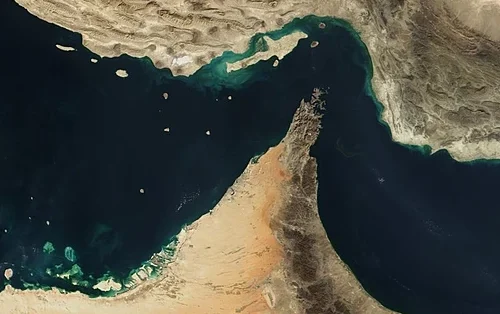


Gulf states are urging the United States to continue strikes on Iran to weaken its military capabilities. This comes as tensions rise in the Strait of Hormuz.
Details
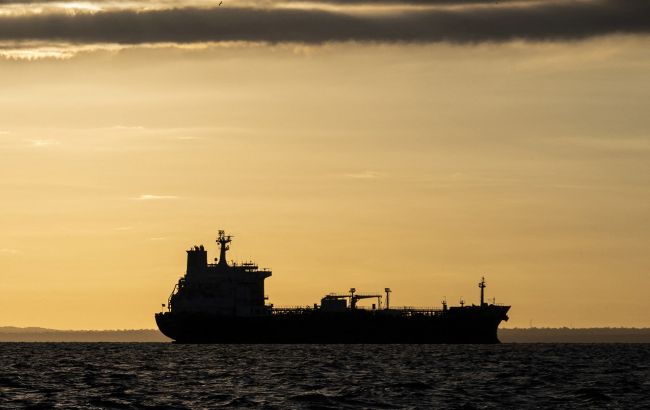
Reuters reports that Iran continues to threaten the Gulf’s key oil shipping route. At the same time, Washington is pressing Gulf countries to join the US-Israeli campaign. Anonymous sources told Reuters that President Donald Trump wants to show regional backing for the campaign. He also aims to strengthen its international legitimacy and domestic support.
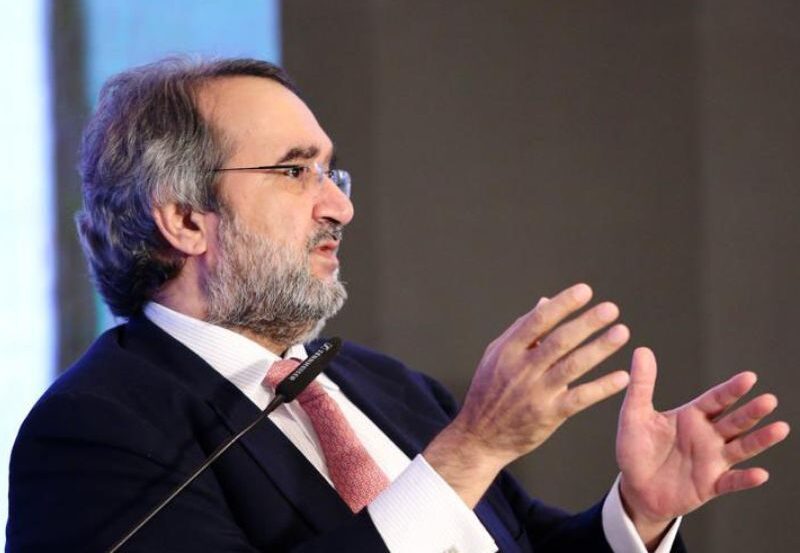
According to Abdulaziz Sager, head of the Gulf Research Center, Iran has crossed red lines with every country in the region.
“At first we defended them and opposed the war. But once they began directing strikes at us, they became an enemy. There is no other way to classify them,” he said.
Tehran continues to attack airports, ports, oil facilities, and commercial hubs across six Gulf states using missiles and drones. It is also disrupting shipping through the Strait of Hormuz, which carries about one-fifth of global oil supply. Gulf economies depend heavily on this route. The attacks have raised fears that Iran could gain control over the strait and use it as leverage.
By the third week of the war, one Gulf source said leaders want Trump to reduce Iran’s military power. Otherwise, they risk living under constant threat.
“If the Americans pull out before the task is complete, we’ll be left to confront Iran on our own,” Sager said.
UAE restraint
The White House said the US is “crushing (Iran’s) ability to shoot these weapons or produce more”, and that Trump was “in close contact with our partners in the Middle East”.
The United Arab Emirates said it does not want to be drawn into conflict or escalation. At the same time, it stressed its right to take all necessary measures to defend its sovereignty and security. Sources say unilateral military action by any Gulf state remains unlikely. Only a collective response could help avoid retaliation against individual countries. However, reaching a joint decision is difficult. Gulf leaders fear triggering uncontrollable escalation.
US Defense Secretary Pete Hegseth said last week that Gulf partners are ready to move to offensive actions. He added they are already working with Washington on a collective and integrated air defense system. A senior UAE official said the country chose restraint after Iran claimed US forces used UAE territory to strike Kharg Island, Iran’s main oil export terminal.
Sager added that Saudi Arabia could retaliate if Iran crosses key red lines. These include attacks on major oil facilities or desalination plants that cause mass casualties.
“In that case, Saudi Arabia would have no choice but to intervene,” he said.
He also noted that the UAE would likely try to calibrate any response to avoid further escalation.
Earlier, The Ukrainian Review reported that President Donald Trump called on countries to help reopen the Strait of Hormuz for tankers. A blockade could hit the global economy.