The 24th of February has become the most difficult date in Ukraine’s modern history. For four years, President Volodymyr Zelenskyy has addressed the nation and the world on this day. His messages have transformed from urgent calls for survival to strategic demands for security and a deep reflection on the high price of justice. These speeches document the path of a nation that refused to disappear.
2022: The Sound of the New Iron Curtain
Early in the morning on February 24, 2022, Volodymyr Zelenskyy recorded a 67-second video. It changed everything. His first words were brief and focused on the immediate reality of the Russian invasion. He announced martial law and urged citizens to remain calm.
“We will defeat everyone. Because we are Ukraine!” Zelenskyy declared.
This phrase became the foundation of Ukrainian resistance.
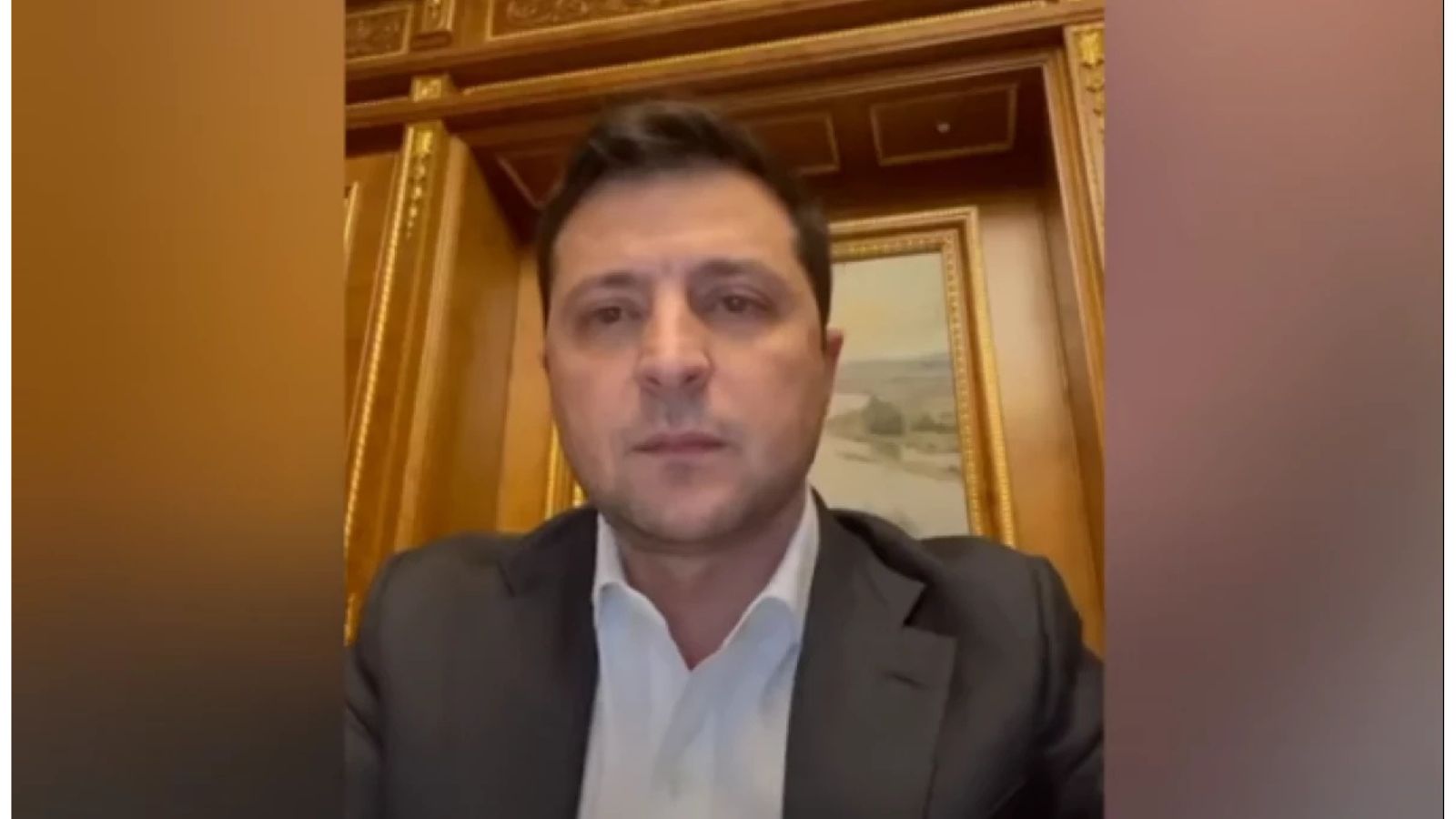
By evening, the President provided a more detailed assessment of the frontline. He noted that the Russian attack was not just a military operation but a global geopolitical shift.
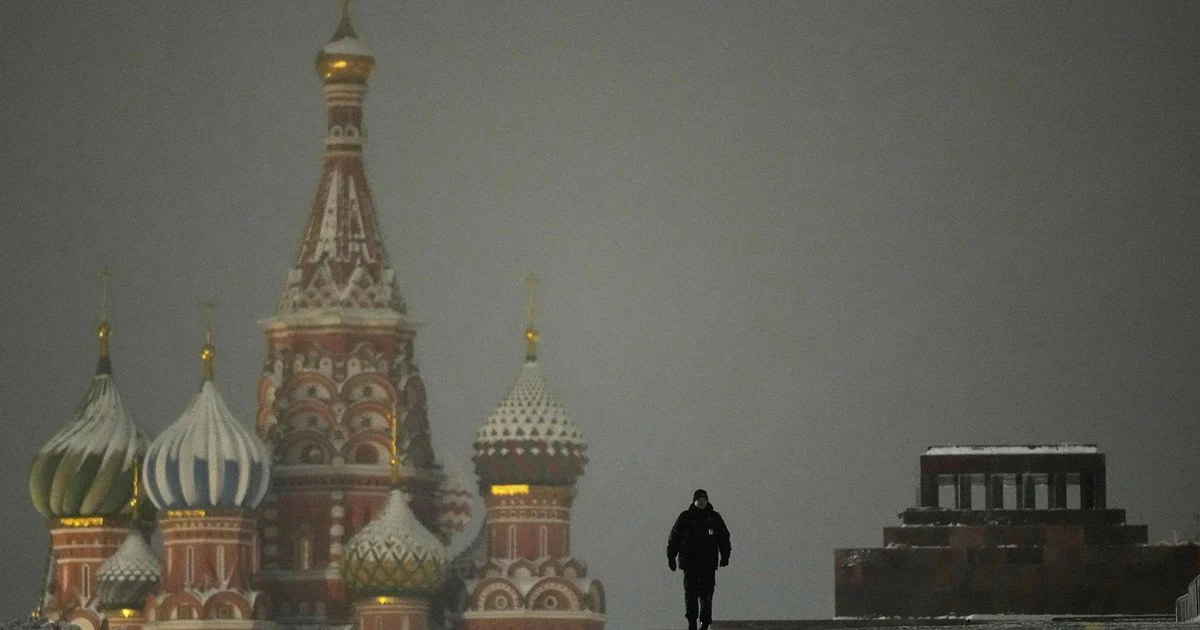
“This is the sound of a new iron curtain dropping and closing Russia off from the civilized world. Our national task is for this curtain to pass not through our Ukrainian territory, but at the home of the Russians.”
Zelenskyy’s first-day rhetoric was characterized by a direct appeal to the Russian people. He switched to Russian to urge them to protest. He defined the invasion as a total isolation of Russia, turning it into an analogue of the so-called “DPR” for the global community.
2023: The Year of Invincibility
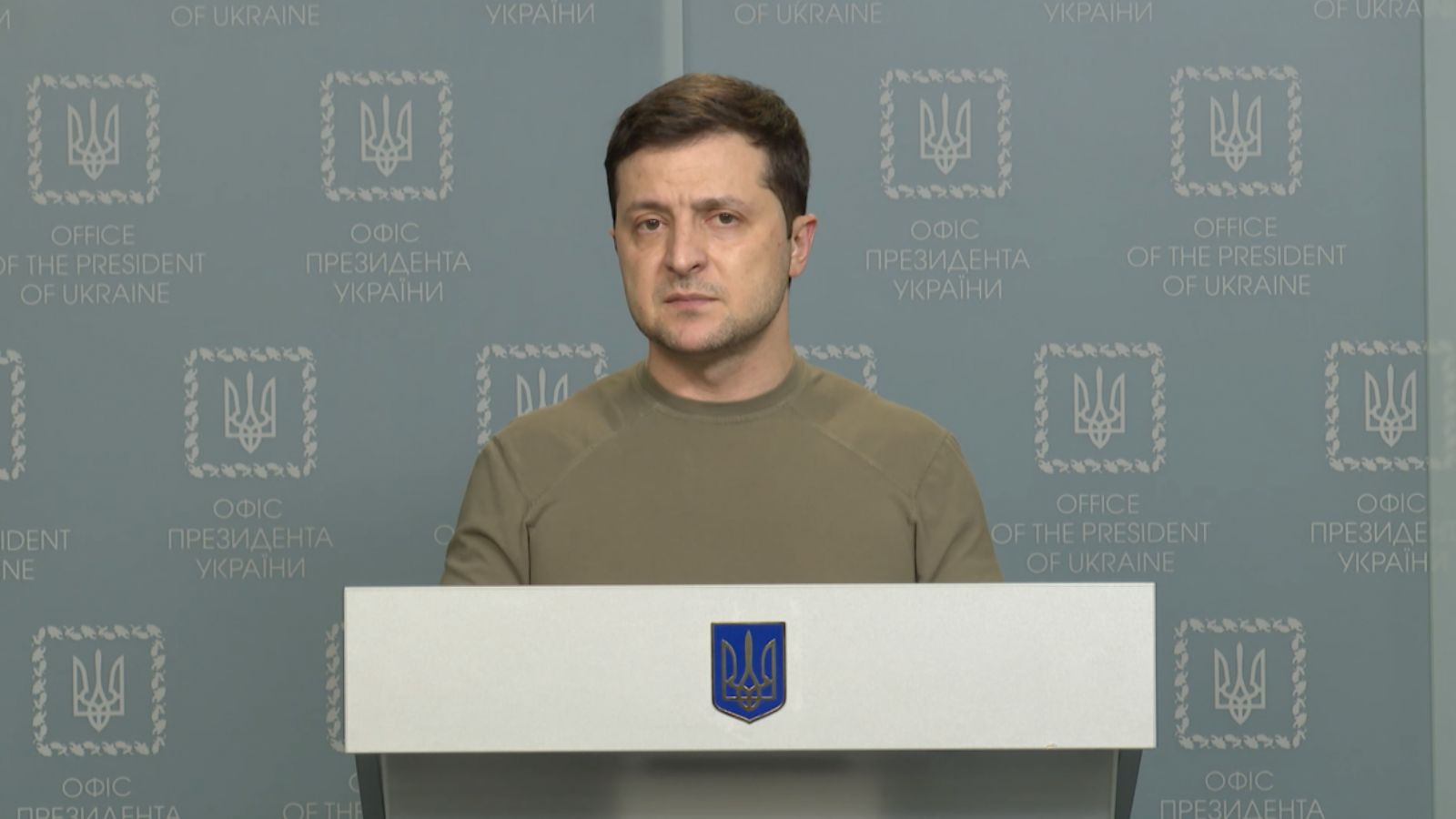
One year later, the tone shifted from survival to endurance. Standing in the same spot where he recorded his first message, Zelenskyy recalled the “longest day of our lives.” He emphasized that Ukraine did not raise the white flag but began defending the blue and yellow one.
“We survived the first day of a full-scale war. We did not know what tomorrow would be, but we clearly understood: for every tomorrow, you have to fight!”
Zelenskyy highlighted the symbolic victories of the first year: the defense of Kyiv, the liberation of Snake Island, and the sinking of the cruiser “Moskva”. He used the speech to thank every branch of the military and the “multi-million army of volunteers.”
Crucially, 2023 marked the moment when Ukraine’s survival became a global inspiration. Zelenskyy listed the Western weaponry — HIMARS, Patriot, Abrams, Leopard — as proof of an international anti-Putin coalition.
“Ukraine surprised the world. Ukraine inspired the world. Ukraine united the world. One year after the full-scale invasion, faith in victory is 95%.”
2024: 730 Days Closer to Victory
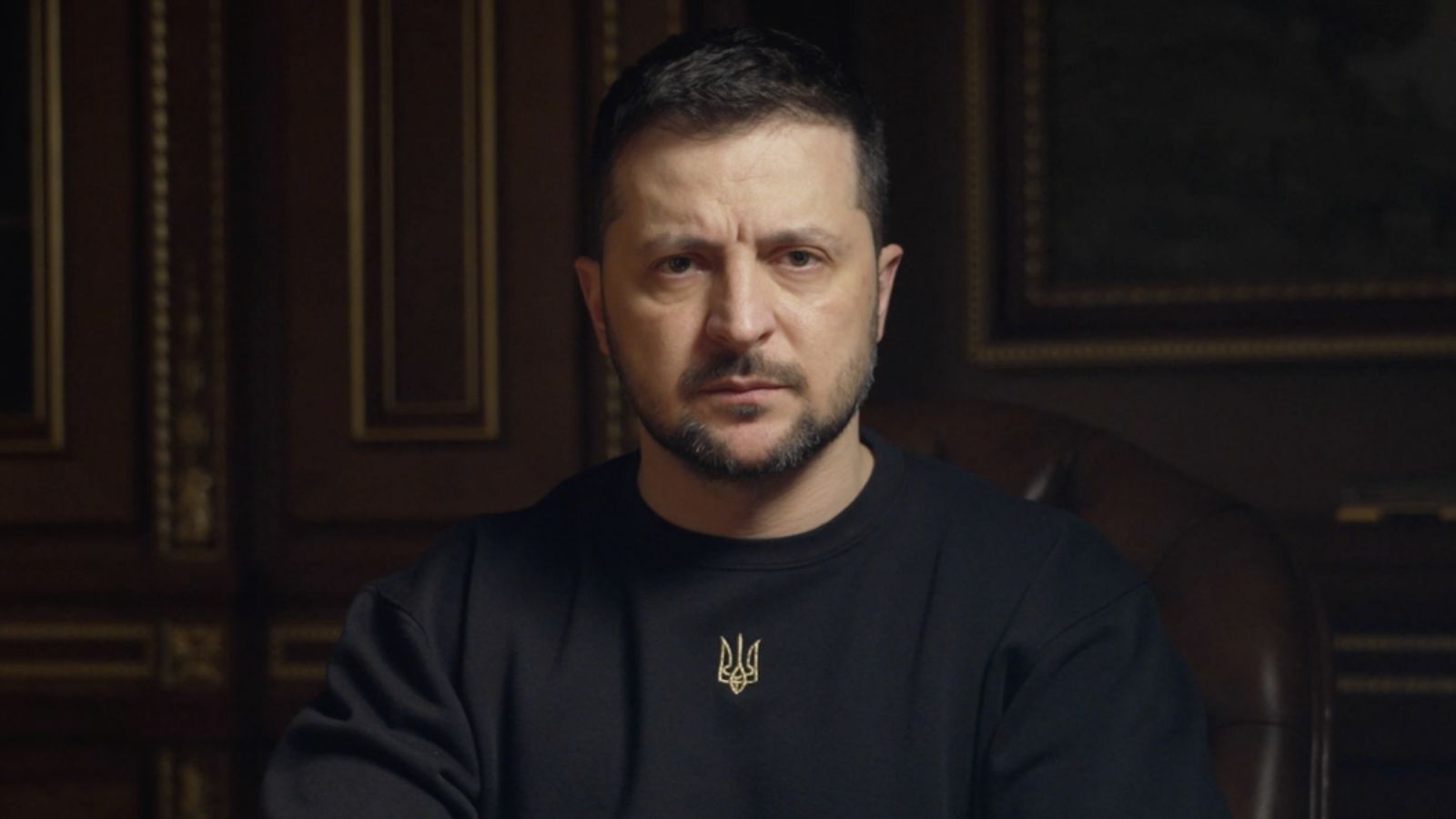
On the second anniversary, Zelenskyy addressed the nation from Hostomel. This location was symbolic; it was where Russia’s plan to “take Kyiv in three days” failed. The President was joined by leaders from Italy, Canada, Belgium, and the European Commission.
“Two years ago, we met the enemy landing party here with fire; two years later, we meet our friends and partners here.”
The 2024 speech focused on the human element of the war — 730 days of pain, but also 730 days of hope. Zelenskyy emphasized that while metal can fail, Ukrainians do not. He redefined the terms of the war’s conclusion, stating that peace must be “just” and on “Ukrainian conditions.”
“Any normal person wants the war to end. But none of us will allow our Ukraine to end.”
2025: Strategic Diplomacy and Five Pillars of Peace
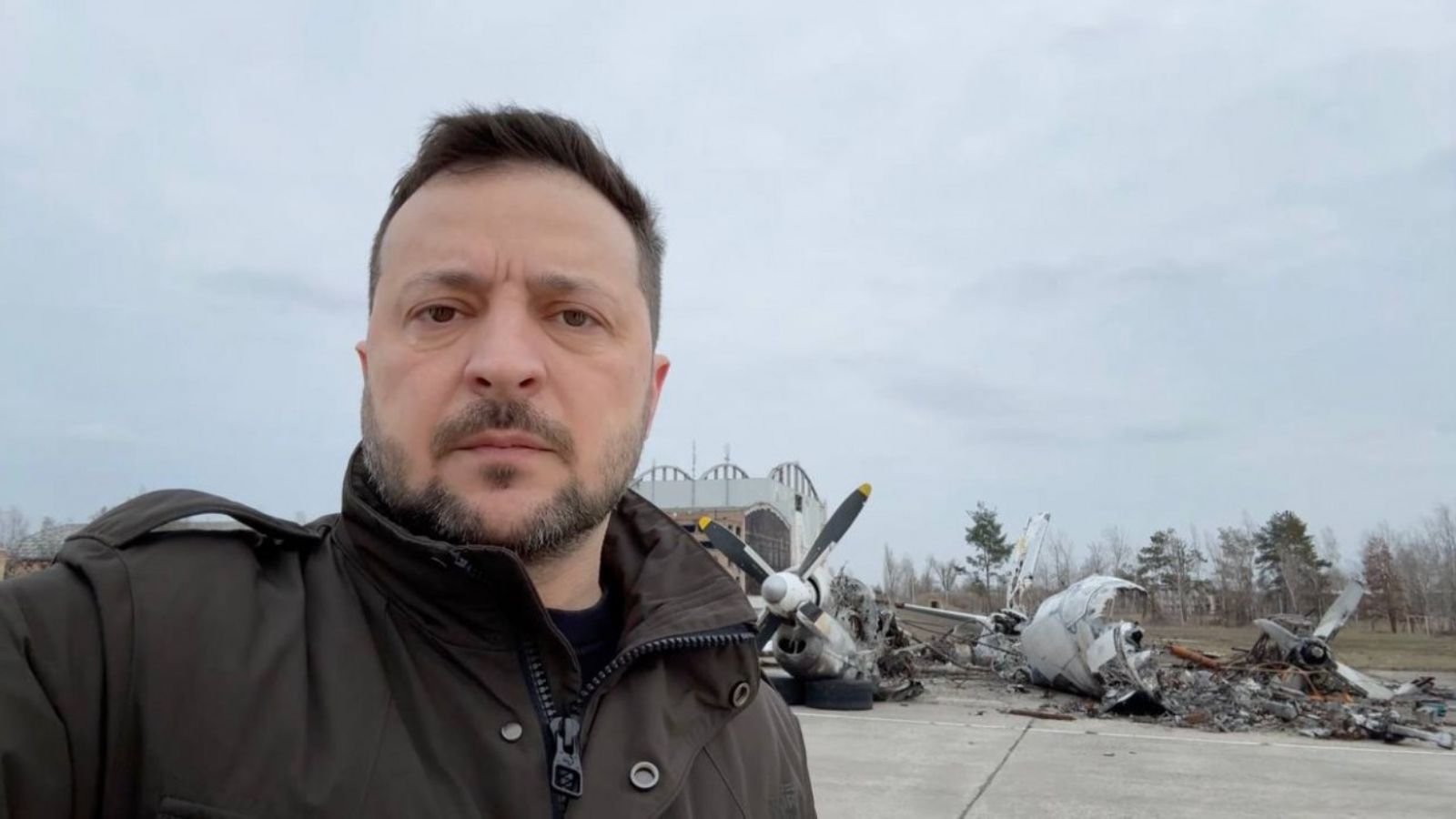
By the third anniversary, the context had evolved into a sophisticated diplomatic framework. Zelenskyy hosted 14 world leaders in Kyiv. The focus moved beyond immediate battlefield needs toward the “real, reliable peace” that must begin in 2025.
Zelenskyy was blunt about Vladimir Putin’s intentions. He stated that the Russian leader would not “gift” peace. Instead, Ukraine and its partners must achieve it through strength and unity.
“Reliable, lasting peace is much more than silence on the front. We remember that since 2014, Russia has violated the ceasefire more than 25 times.”
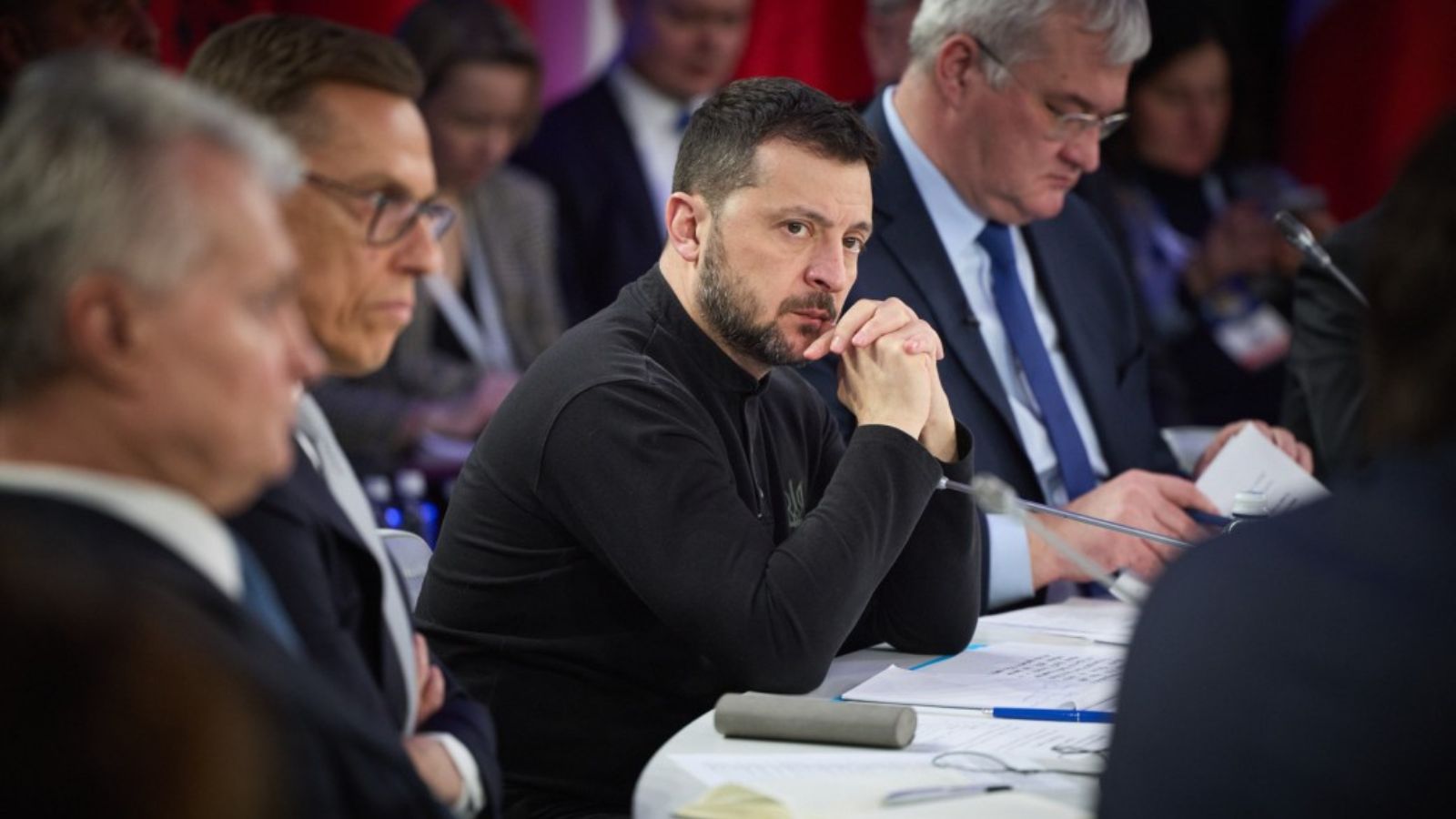
The 2025 speech outlined five critical points for ending the full-scale war:
- Ukraine at the table: The fate of Europe cannot be decided without Ukraine and Europe.
- Restoring trust: This begins with the “all for all” exchange of thousands of prisoners.
- NATO as the only shield: Zelenskyy argued that NATO is the “simplest, cheapest, and most reliable” way to guarantee peace.
- Security agreements: Leveraging the 28 bilateral deals to build a “European air shield.”
- Technological independence: Ensuring Europe does not lag in the global competition.
“We must gain peace through strength, wisdom, and unity — through our cooperation with you. This year must become the year of the beginning of a real, reliable peace.”
2026: The Architecture of Memory and Directives for Peace
On the fourth anniversary, Zelenskyy delivered a deeply personal address from a previously secret bunker on Bankova Street. He reflected on the journey from the first hours of the invasion to the current production of 3 million FPV drones annually. The speech bridged the gap between the initial shock and the current reality of a nation that has become a global subject.
“Volodymyr, there is a threat, you need to leave Ukraine urgently. We are ready to help with this. And I answered here that I need weapons, not a taxi.”
Zelenskyy emphasized that while Putin failed to destroy Ukrainian statehood, the cost has been astronomical. He named fallen heroes and youngest victims of Russian terror. He also addressed the ongoing negotiations, making it clear that no deal would devalue the years of sacrifice.
“I give our team very clear directives. This is always via closed decrees… not to zero out all these years, not to devalue all the struggle, courage, dignity, everything that Ukraine has gone through. The agreement must not just be signed, it must be accepted — accepted by Ukrainians.”
Zelenskyy underlined that Ukraine did not lose its statehood, preserved its independence, and continues to fight for a just peace.
“There is less than a week until spring. We are overcoming the most difficult winter in history, but just as on the first day of the war, we continue to build our tomorrow — step by step, deed by deed.”
Conclusion
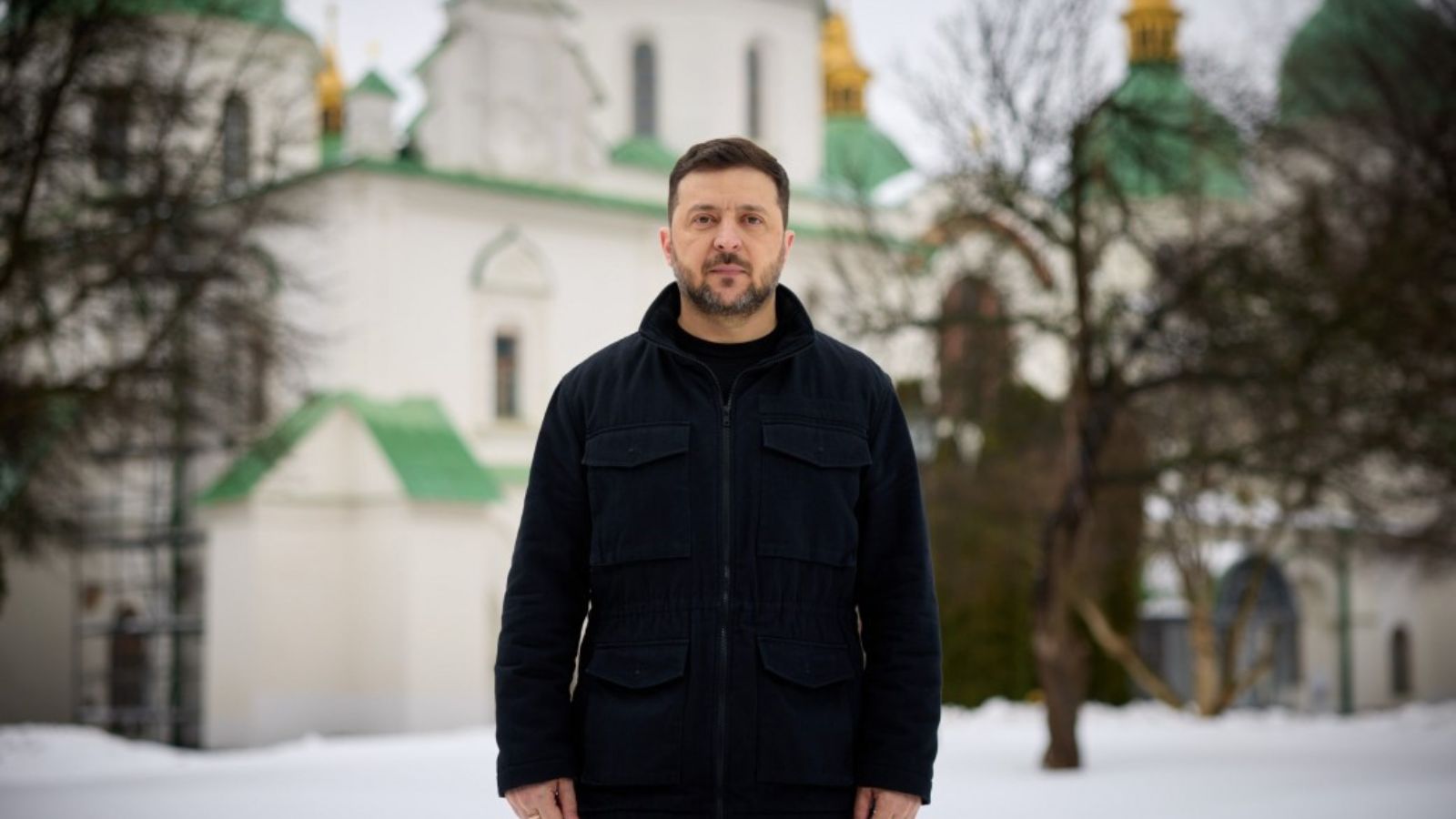
Comparing these four years of speeches reveals a clear trajectory. In 2022, Zelenskyy was the leader of a nation under siege. By 2026, he has become a symbol of a state that survived the impossible and is now dictating the terms of its own future. The narrative has moved from “we will defeat everyone” to a focused demand for “strong, dignified, and long-lasting peace.” Ukraine exists, it fights, and it continues to build its tomorrow.