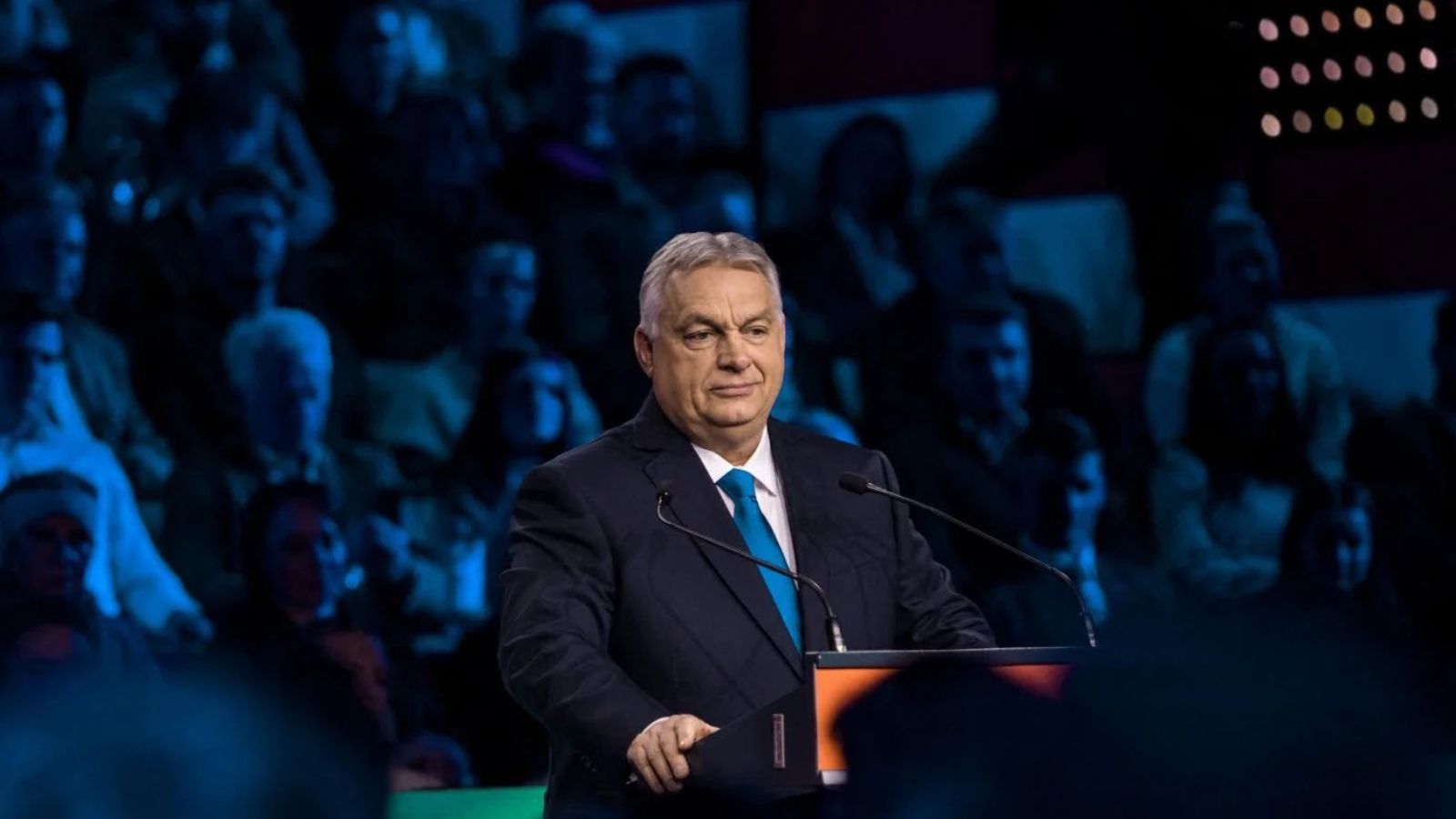


The European Commission has reduced its public pressure on Prime Minister Viktor Orbán before the Hungarian parliamentary elections in April 2026. Brussels aims to avoid claims of interfering in the domestic electoral process. This strategy should deprive the Hungarian government of key arguments for its anti-Brussels campaign.
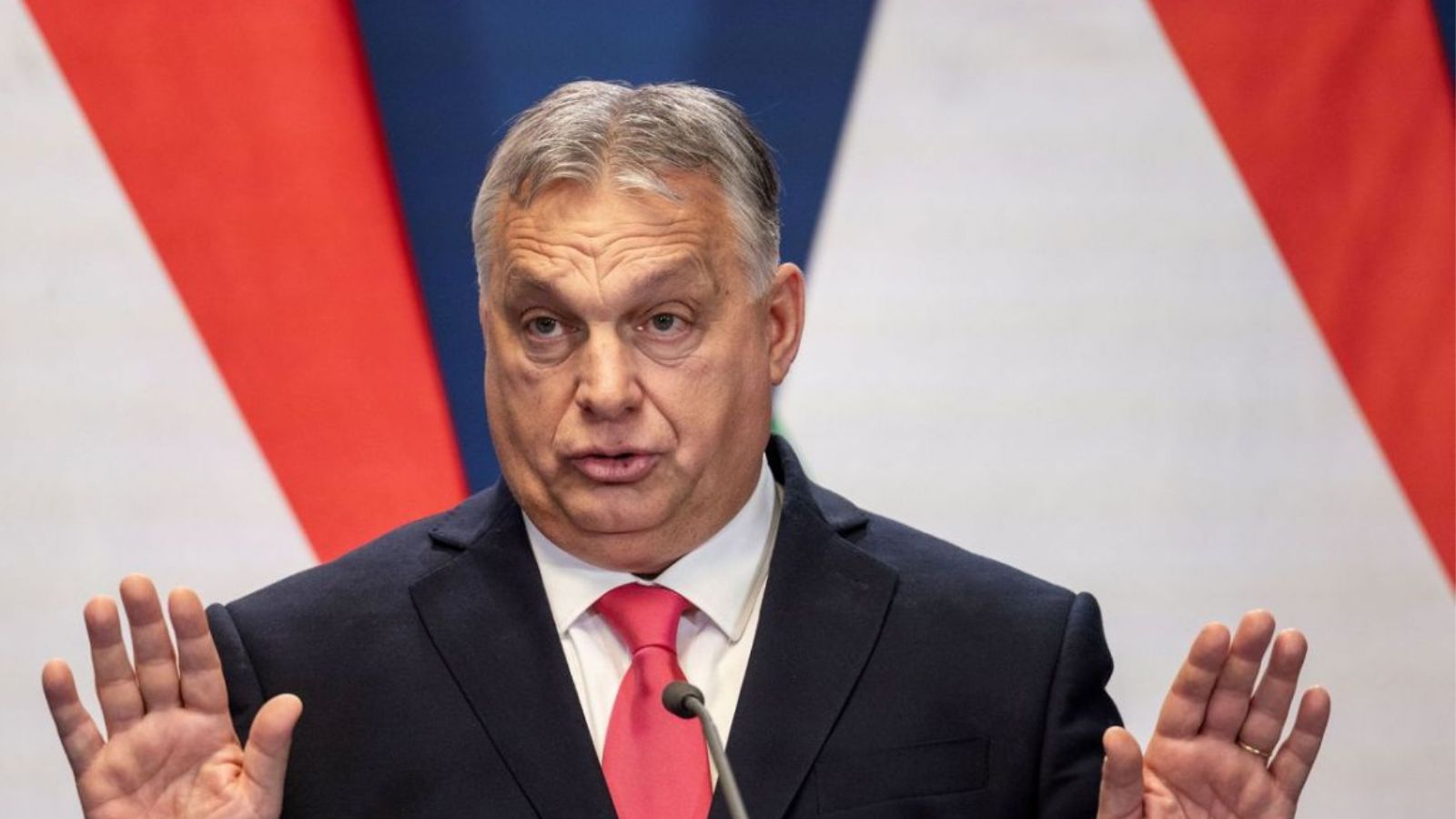
The Financial Times reported this development, citing informed sources. European officials have chosen a path of restraint to stay neutral during the political race. Currently, the opposition Tisza party, led by Péter Magyar, leads the ruling Fidesz party by approximately 10% in polls. The opposition leader has also urged EU institutions to show caution during the official campaign.
Funding and espionage concerns
Orbán’s government could receive about €2.4 billion in new funds before the election despite ongoing legal disputes. European Commission spokespeople deny that these payments are tied to the election cycle. However, the Commission is still investigating claims that the Hungarian government tried to recruit EU officials for espionage. Additionally, around €17 billion remains frozen due to concerns over judicial independence and discrimination in the country.
Orbán frequently uses Russia’s full-scale war against Ukraine in his political rhetoric. He portrays the opposition as “Brussels puppets” who supposedly want to drag Hungary into the conflict. Recently, the Prime Minister stated that the European Union poses a greater danger to Hungary than the aggressor state. He even compared the EU to the repressive Soviet regime that once ruled Hungary. Furthermore, Orbán launched a “national petition” to rally public support for rejecting further funding for Ukraine.
Previously, The Ukrainian Review reported that Orbán claimed Europe is preparing for war with Russia. The Hungarian leader continues to block vital military aid initiatives for Kyiv. He also maintains close ties with Russian dictator Vladimir Putin, causing ongoing friction with NATO and EU partners.