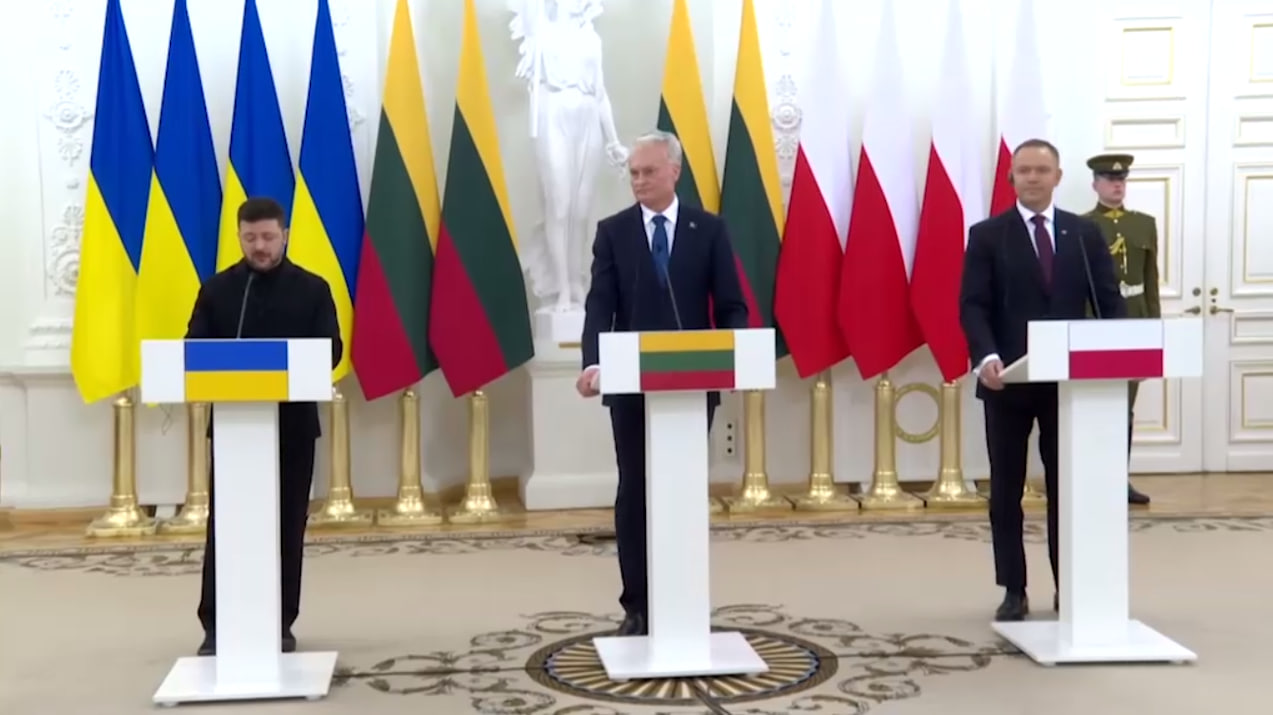
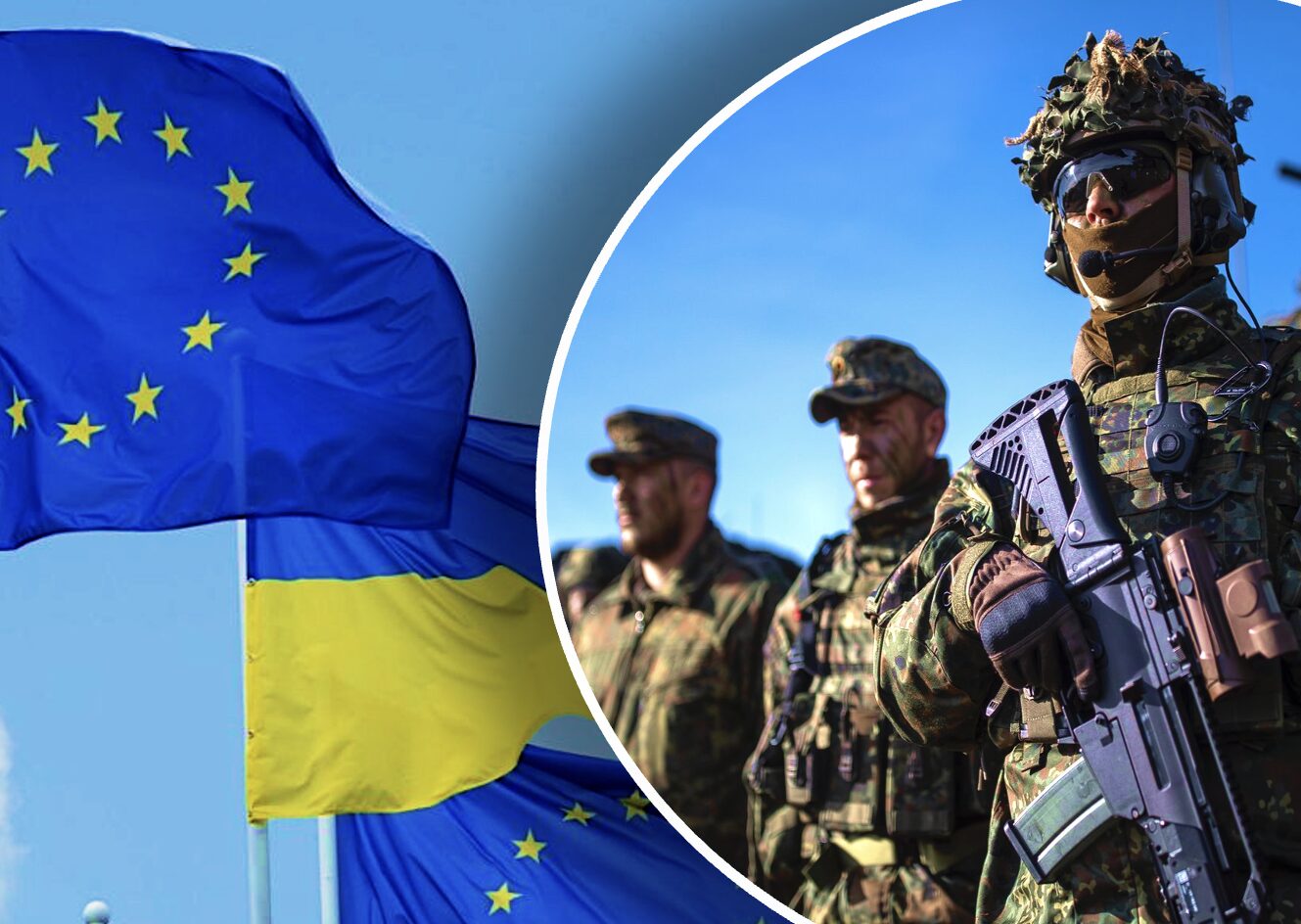


The European Union and Ukraine are increasingly discussing the need to rearm and strengthen their defense capabilities amid worsening transatlantic relations, CNN reports.
Rift in Relations with the U.S.
According to CNN, events in recent weeks have shown that the United States is no longer seen in Europe as a reliable guarantor of security. Statements by U.S. President Donald Trump regarding Greenland, tariff threats, and allied commitments have caused concern in Brussels and across European capitals.
European diplomats told CNN that this situation reflects a “new reality,” in which Europe must be ready to take greater responsibility for its own security. EU foreign policy chief, Kaja Kallas, said that transatlantic relations have “taken a big blow.”
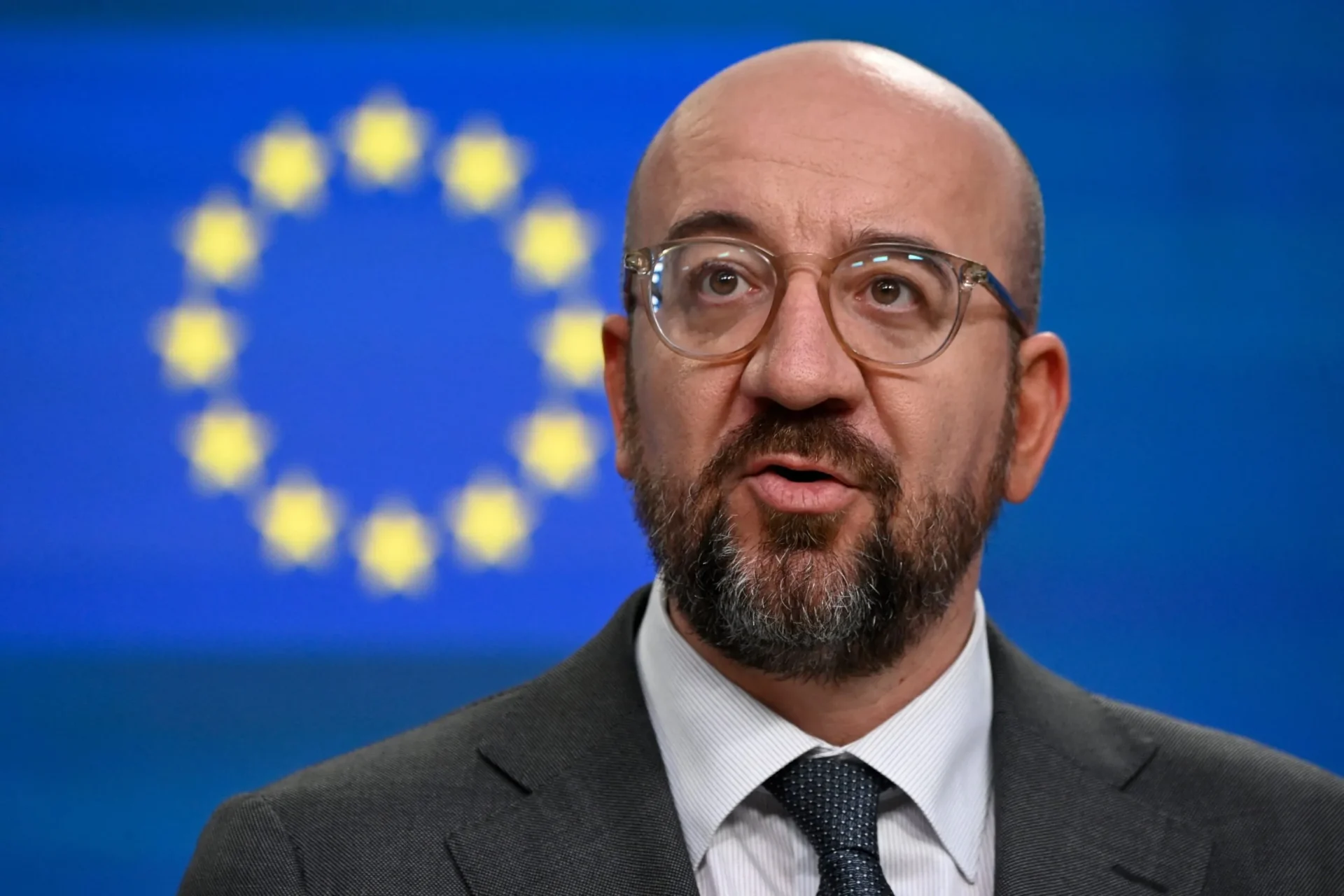
Former European Council President Charles Michel emphasized in an interview with CNN that the previous cooperation model between Europe and the U.S., which had lasted for decades, effectively no longer exists.
Move Toward Defense Autonomy
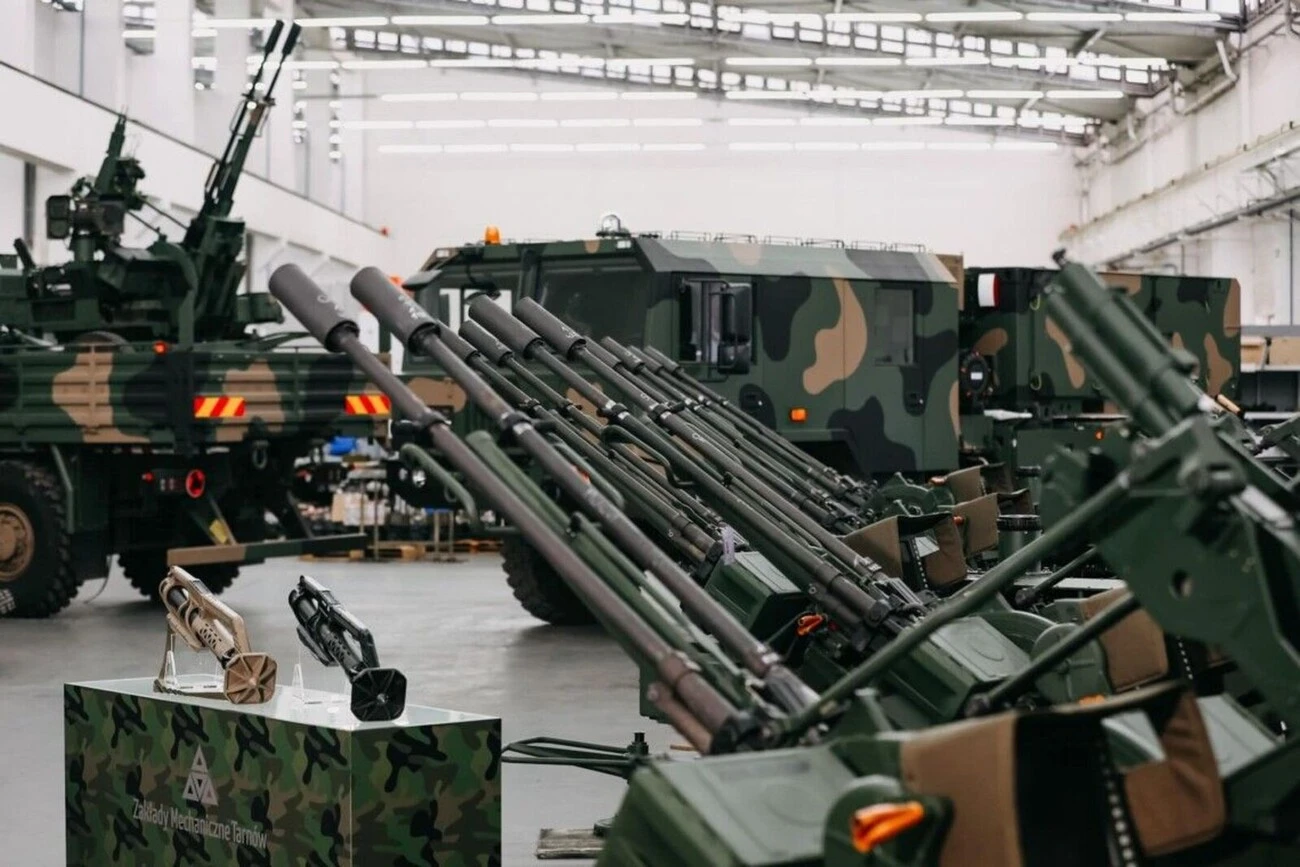
In this context, discussions in the EU about strategic autonomy in defense have intensified. European leaders increasingly call for higher defense budgets and the development of their own military-industrial capacity. This includes investments in artillery shells, armored vehicles, warships, and submarines.
At the same time, Wall Street Journal reports that Europe remains dependent on the U.S. in several critical areas. These include long-range missiles, long-range air defense systems, satellite intelligence, stealth aircraft, and combat digital systems. According to the newspaper, Europe may need about $1 trillion and many years of investment to replace American defense capabilities.
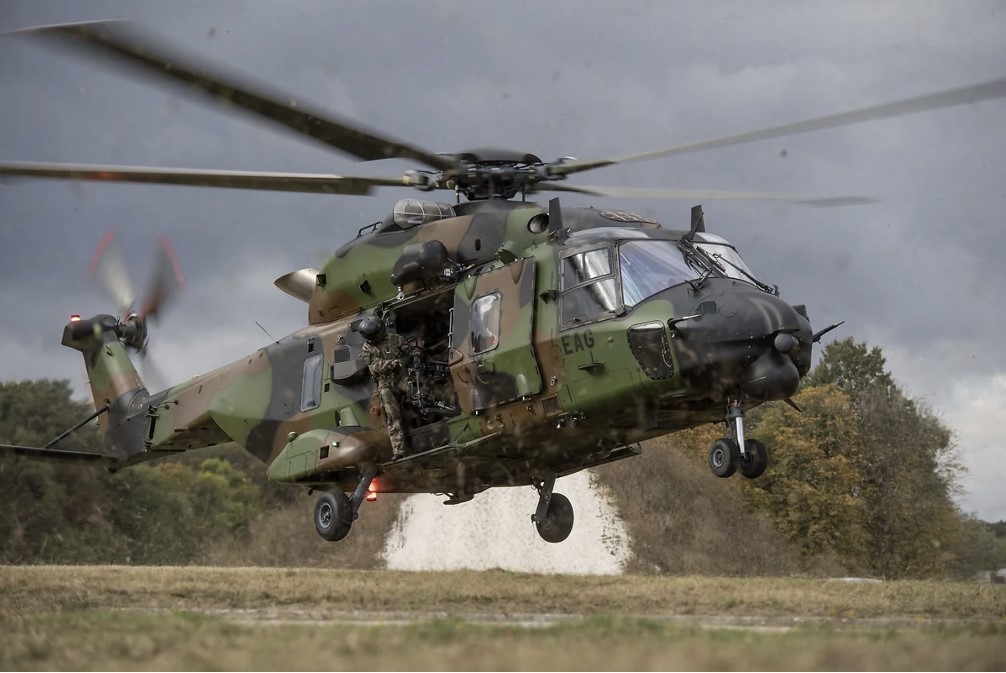
Nevertheless, Europe also leads in areas where it produces weapons faster or in larger volumes than the U.S. These include naval ships and submarines, artillery shells, tanks, certain armored vehicles, and self-propelled or towed howitzers. European countries also maintain domestic production and technological capacity for short- and medium-range air defense, missiles of corresponding range, drones, radar systems, small arms, helicopters, and military transport aircraft.
Significance for Ukraine
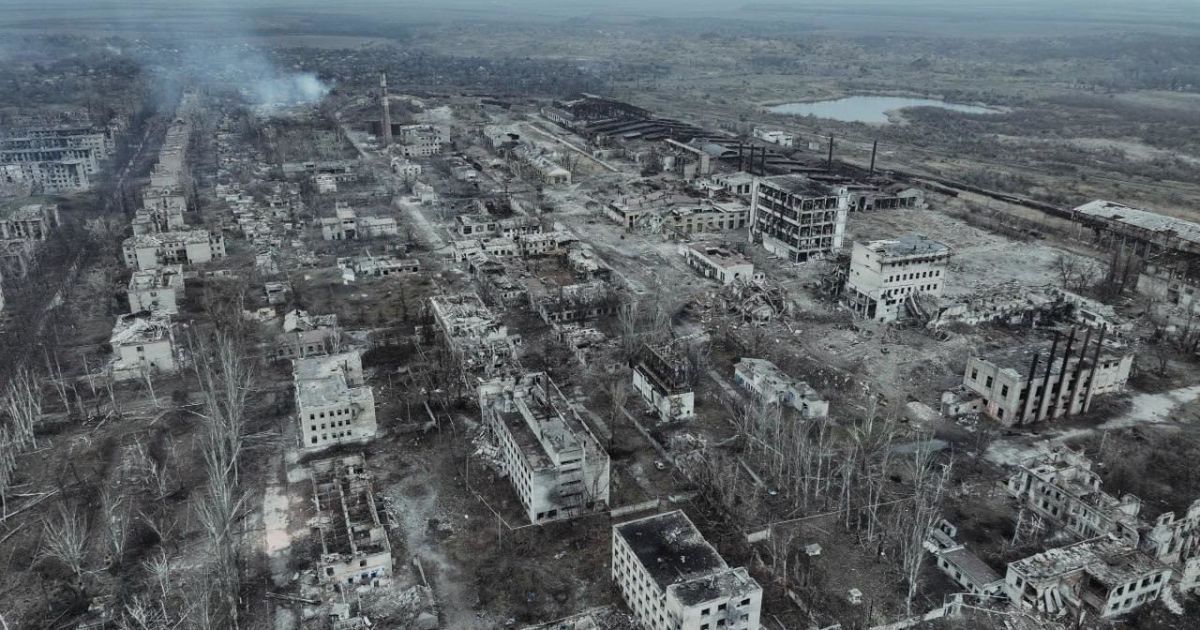
These developments are directly relevant for Ukraine. The Russo-Ukrainian war forces Kyiv to focus on long-term cooperation with the EU and European weapons manufacturers. Meanwhile, Europe faces similar security challenges—from attacks on infrastructure to large-scale missile strikes by Russia.
Conclusions
The EU and Ukraine are entering a period in which defense increasingly relies on domestic resources and European coordination. Full independence from the U.S. in security matters remains out of reach in the short term. However, the move toward rearmament and reduced dependency is already shaping a new European security architecture.