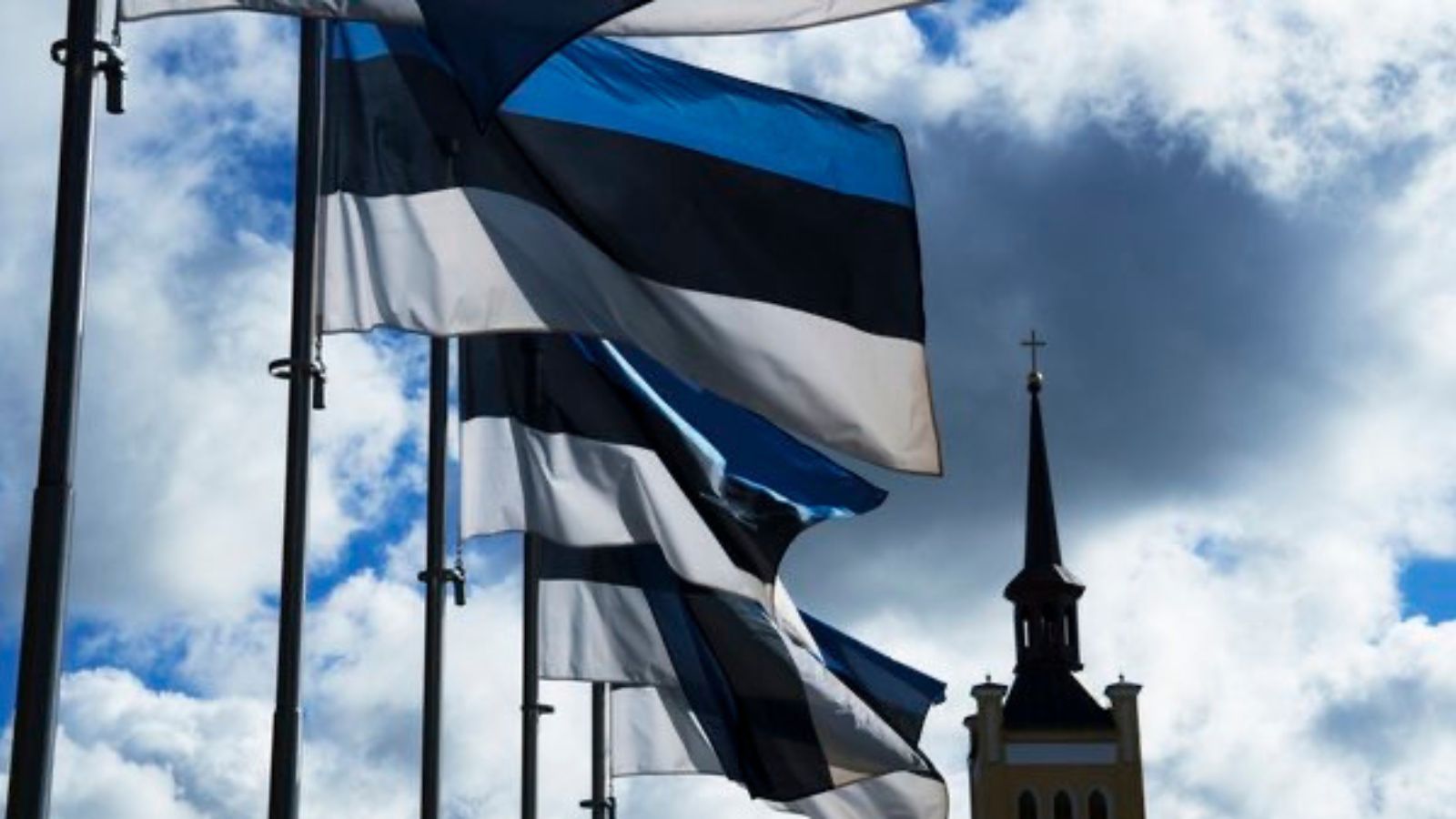


Estonia has officially banned 261 Russian citizens from entering the country. These individuals directly participated in the full-scale war against Ukraine. The Ministry of the Interior initiated this measure to protect the security of the democratic world. Estonian Foreign Minister Margus Tsahkna announced this move on X. This decision starts a large-scale strategy to restrict the mobility of Russian combatants within the European Union.
National Security Threats and Criminal Risks
Interior Minister Igor Taro emphasized the state’s position. He stated that those who committed crimes for the Kremlin have no place in the free world. The government views such individuals as a real threat to Europe. They possess specific military training and combat experience. Often, these people have potential criminal backgrounds. The Ministry notes that risks include working for Russian intelligence or joining organized crime.
The psychological state of former military personnel poses an additional danger. Internal Russian statistics show serious violent crimes reached a 15-year high. This trend correlates with the mass return of convicted criminals from the front lines. Estonian authorities want to prevent the export of such aggression. Therefore, blocking access for these citizens is a matter of basic EU security.
Establishing a Unified European Registry
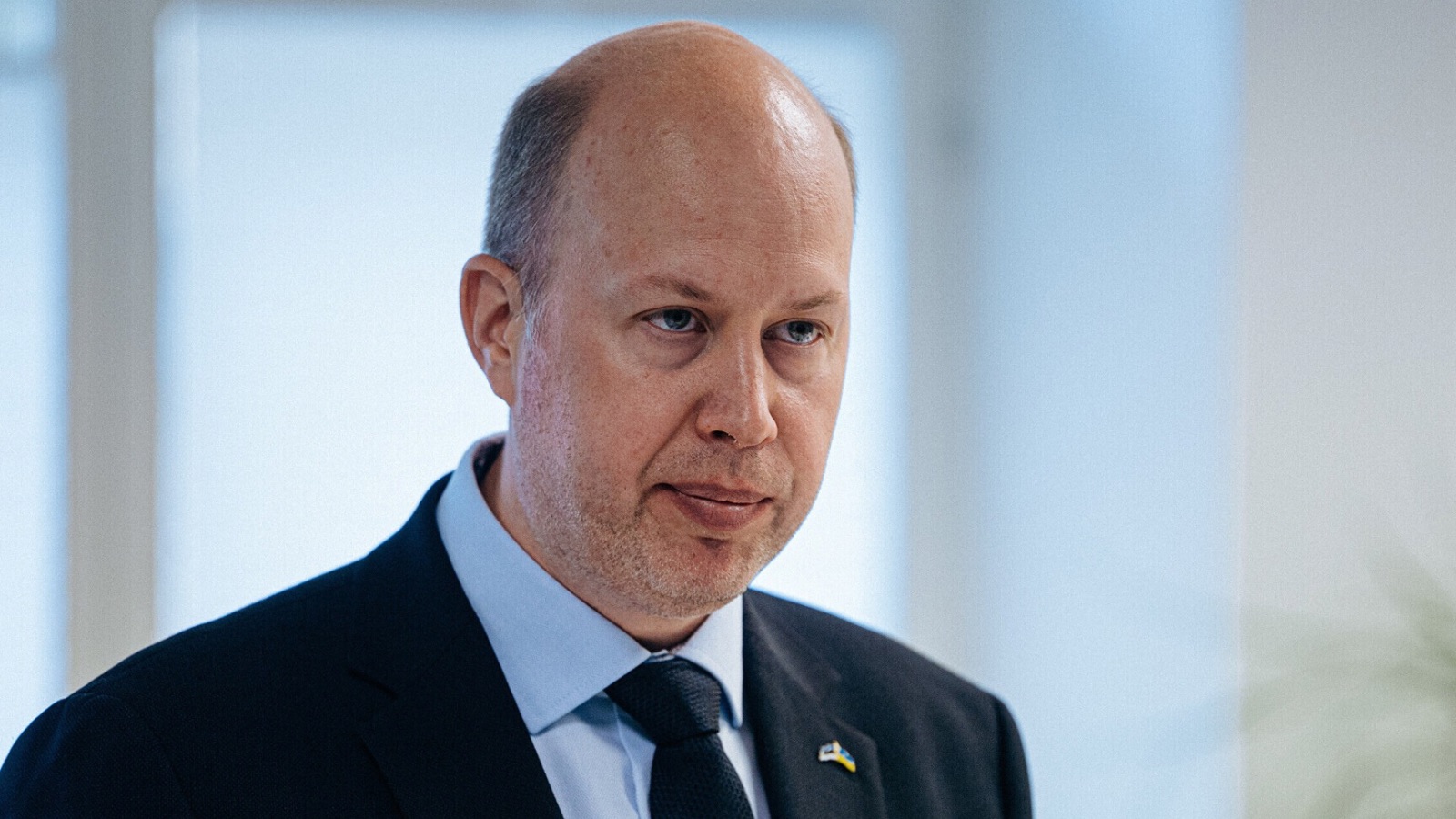
The preparation for these restrictions took a long time. Interior ministers from Northern and Baltic Europe first discussed this issue in the summer of 2025. Since then, Estonia has repeatedly promoted this initiative within the European Union. Deputy Minister for Internal Security Joosep Kaasik emphasized the importance of collective action.
“Our hope is that other countries will soon follow Estonia’s initiative. The top priority is to create a unified, Schengen-wide blacklist and to impose a ban on issuing Schengen visas and EU residence permits to all identified former Russian combatants,” Kaasik stated.
The Estonian side is actively working to ensure that this data becomes part of shared EU security databases, making it impossible to obtain documents at consulates in other Schengen member states.
Conclusion
Approximately 1.5 million Russians are currently involved in the armed aggression. Over 600,000 of them remain on the front lines. Estonia calls on international partners to recognize the scale of this problem. Margus Tsahkna noted that the current ban is only the beginning. The state will continue its work to close the doors to anyone who participated in the war of aggression.