

The relationship between the Republic of Serbia and Ukraine is grounded in mutual respect, longstanding ties, and a shared commitment to the principles of international law, including the mutual recognition of sovereignty and territorial integrity. These foundations continue to guide our engagement in times of both stability and crisis. Today, as Ukraine faces sustained pressure on its energy infrastructure, international cooperation is a practical necessity. Serbia’s recent contribution to strengthening Ukraine’s energy resilience reflects this approach: principled, targeted, and forward-looking.
The Assistance from Serbia: different Dimensions
Serbia’s decision to allocate €2 million in support of Ukraine’s energy system, implemented in cooperation with the United Nations Development Programme, is guided by a clear understanding of the essential role of energy security. Reliable electricity underpins healthcare, education, economic activity, and everyday life. Supporting Ukraine in maintaining and restoring this system is therefore both a humanitarian priority and a contribution to broader stability.
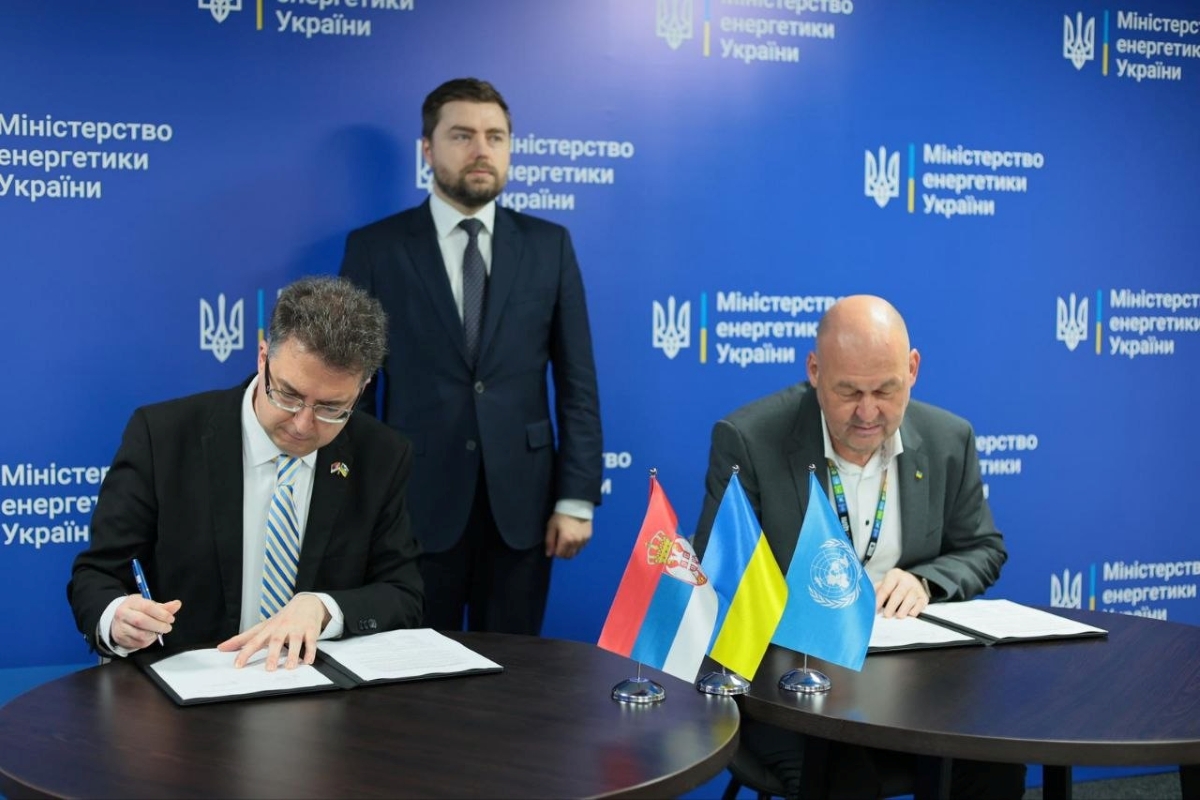
This contribution is part of a consistent and substantial effort. Serbia’s total humanitarian assistance to Ukraine has reached €62 million—exceeding the combined support of the rest of the Western Balkans. Importantly, €8.5 million of this has already been directed specifically toward energy infrastructure. The current initiative builds on this foundation, reinforcing Serbia’s commitment to providing meaningful and targeted support.
Serbia’s approach is also shaped by its own experience. Managing complex energy systems and maintaining grid stability in challenging circumstances has underscored the importance of timely, practical interventions. Even as Serbia advances its own energy transition, it remains committed to sharing knowledge and expertise where it can have the greatest impact.
This is reflected in the focus of the current assistance: high-voltage transformers, which are essential for electricity transmission. In situations where infrastructure has been severely damaged, access to such equipment directly determines how quickly power can be restored. Transformers are complex, costly, and difficult to procure under urgent conditions. Their delivery is therefore not only symbolic, but operationally decisive.
This underscores a broader point about effective international support. While financial assistance remains indispensable—particularly given the scale of Ukraine’s reconstruction needs—targeted technical support often delivers faster and more tangible results. In many cases, the key challenge is not funding alone, but access to specific equipment, expertise, and logistics.
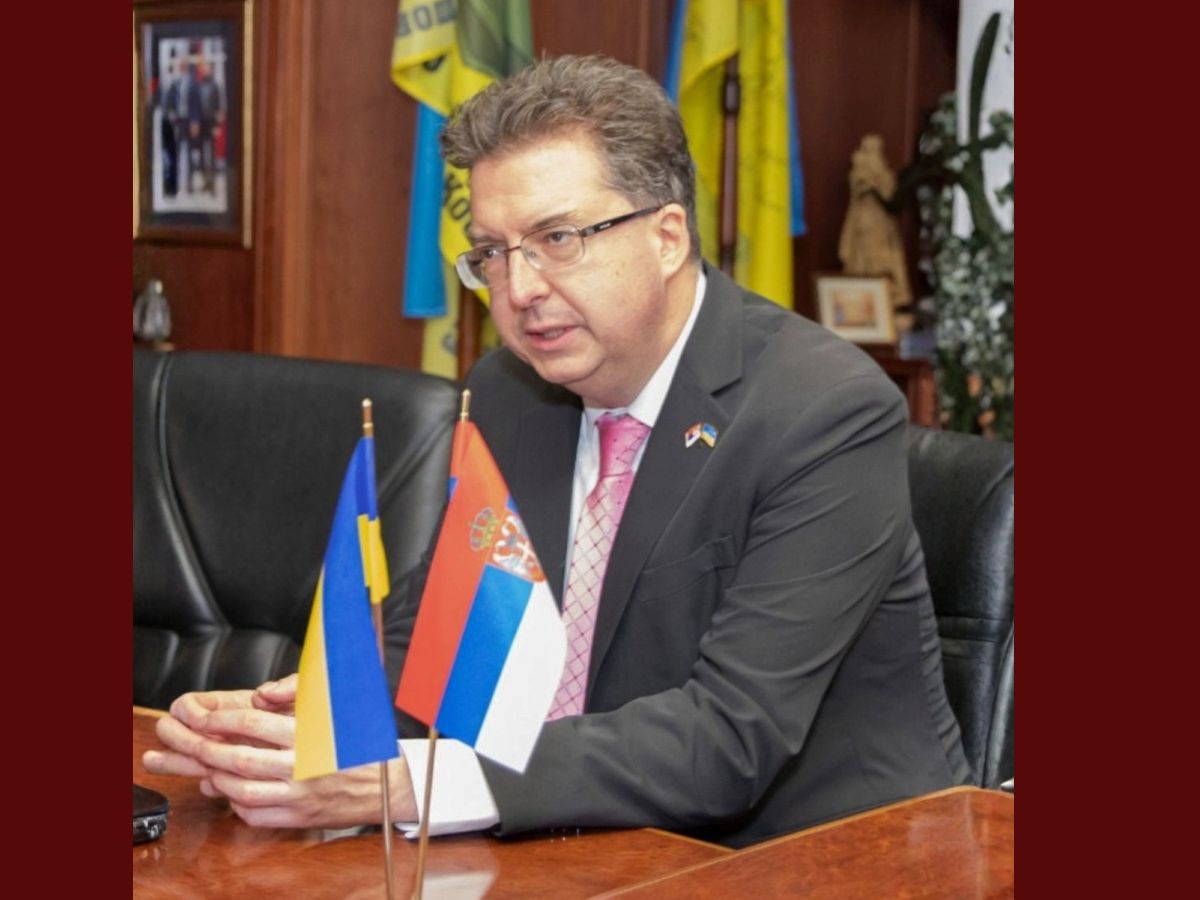
Targeted assistance addresses immediate needs, reduces delays, and translates resources into concrete outcomes. Financial and technical support should not be seen as alternatives, but as complementary tools. When aligned strategically, they form a far more effective response to complex challenges.
Ukraine’s energy system has suffered extensive damage since 2022, with losses estimated in the tens of billions of euros. Yet, this difficult situation also presents an opportunity to rebuild a system that is not only restored but modernised, more efficient, and more resilient. Partnerships will be essential in achieving this goal.
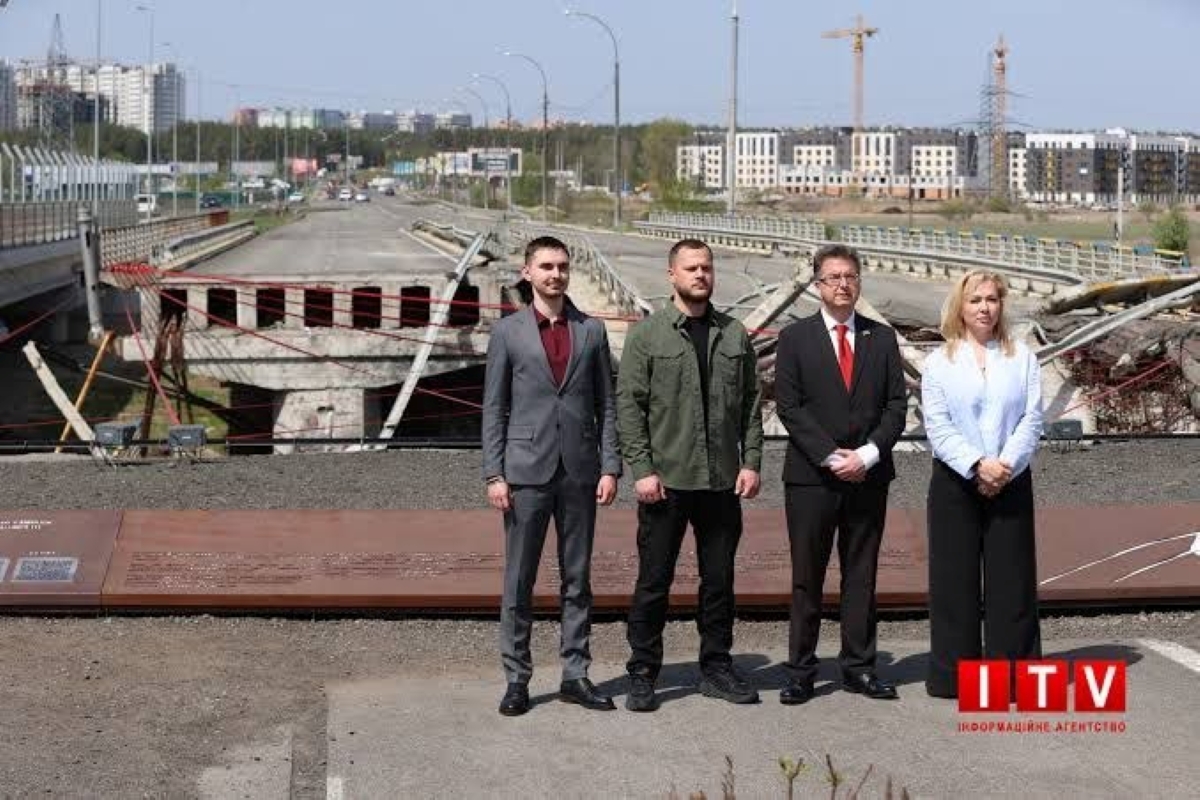
Common Eurointegration Steps
In this context, cooperation with Serbia and the wider Western Balkans region offers practical advantages. Our countries share structural similarities: legacy infrastructure, ongoing modernization, and the need to balance energy security with sustainability. Serbia’s experience in grid modernization, diversification of energy sources, and gradual integration into European energy markets provides relevant insights.
This cooperation can take concrete forms: exchanges between energy operators, joint training initiatives, and the sharing of best practices in infrastructure management. Collaboration in renewable energy, energy efficiency, and digitalization can further support the development of a more future-oriented energy system in Ukraine.
At the same time, Serbia and Ukraine are strengthening the broader economic framework of their relationship. Negotiations on a bilateral Free Trade Agreement are progressing with strong commitment on both sides, and there is a clear expectation that it could be signed within the year. This would open new opportunities for trade, investment, and business cooperation.
Such progress is particularly promising given the structural similarities between our economies, especially in industry and agriculture. These commonalities create a strong basis for deeper economic engagement, enabling more effective partnerships and integration of markets.
Another important dimension of Serbia’s engagement is its readiness to share experience in the European Union integration process. As a candidate country negotiating accession under the revised enlargement methodology, Serbia has developed practical expertise in aligning national systems with EU standards. This is especially relevant in sectors such as energy, agriculture, and industry—areas that are also central to Ukraine’s transformation.
Serbia is among the relatively few countries combining a similar economic structure with direct experience in the current accession framework. This positions it well to offer practical, experience-based support. Knowledge-sharing, institutional cooperation, and technical exchanges can complement broader European efforts and provide added value to Ukraine’s reform process.
Regional cooperation also has an important role to play. Strengthening energy interconnections, improving cross-border transmission, and aligning regulatory frameworks can enhance resilience and efficiency. Engagement between Ukraine and Southeast European partners can complement wider European integration and create additional channels for collaboration.
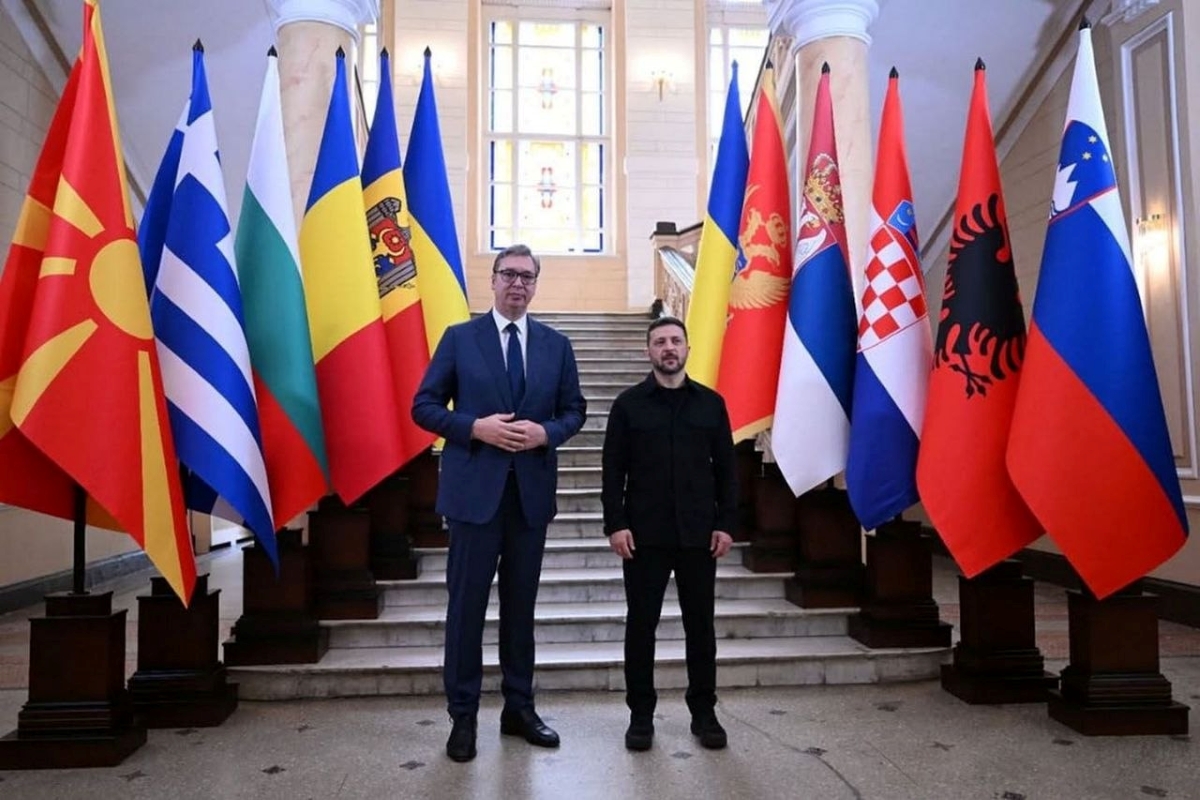
Political Component of Allocated Aid
Beyond its technical and economic dimensions, energy cooperation carries a strong political message. It reflects a commitment to constructive engagement, stability, and long-term partnership. Serbia’s support to Ukraine in this sector demonstrates an understanding that energy security is closely linked to broader regional stability.
Looking ahead, cooperation in the energy sector can serve as a foundation for deeper bilateral relations. Practical collaboration in times of need builds trust and establishes durable partnerships. These, in turn, can expand into other areas, including infrastructure development, trade, and investment.
As Europe moves toward a more interconnected and sustainable energy system, regional cooperation will become increasingly important. Serbia’s ongoing alignment with European energy standards, alongside Ukraine’s integration into the European energy framework, creates a shared context for long-term collaboration.
Ultimately, Serbia’s support to Ukraine’s energy resilience reflects a broader vision of partnership—one based on solidarity, practical cooperation, and shared strategic interests. By contributing to the restoration and strengthening of Ukraine’s energy infrastructure, Serbia is addressing immediate needs while helping to build the foundations for long-term stability.
The progress achieved so far demonstrates the strength of this partnership. With continued engagement—through energy cooperation, economic integration, and shared reform efforts—Serbia and Ukraine are well positioned to further deepen their relationship. In this context, energy solidarity is not only a response to current challenges, but a cornerstone of a stronger and more resilient partnership in the years ahead.
On principles and partnership
The relationship between Serbia and Ukraine is firmly grounded in mutual respect and in the shared commitment to sovereignty and territorial integrity—principles that guide our cooperation in times of both stability and crisis.
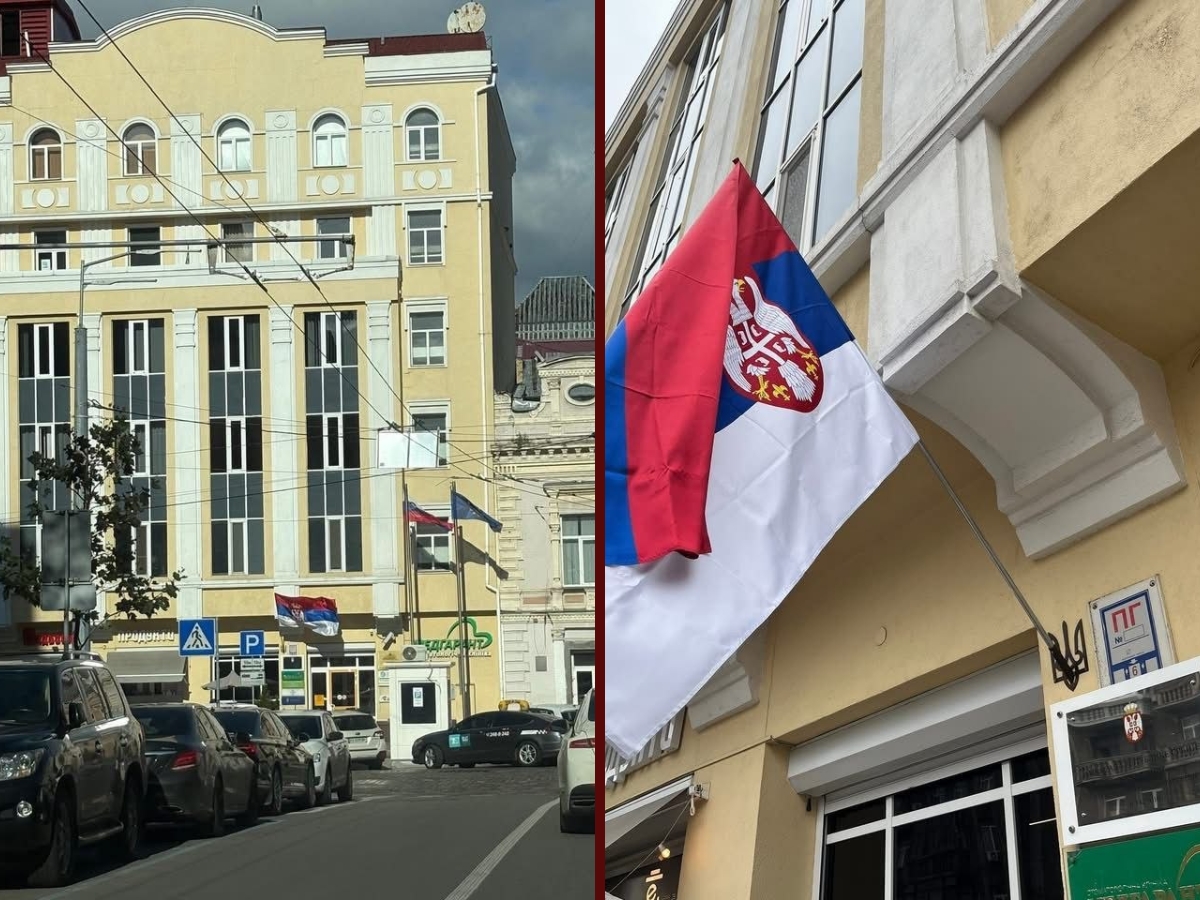
On the scale of Serbia’s support
With €62 million in humanitarian assistance—more than the rest of the Western Balkans combined—Serbia’s support to Ukraine reflects not only solidarity, but consistency and responsibility.
On targeted energy assistance
In moments of crisis, the delivery of a single transformer can restore power to entire regions—this is where targeted, technical support becomes as critical as financial aid.
On future economic cooperation
The forthcoming Free Trade Agreement has the potential to transform Serbia–Ukraine economic relations, unlocking new opportunities in sectors where our economies naturally align.
On EU integration and knowledge-sharing
As a country navigating EU accession under the new methodology, Serbia stands ready to share practical experience with Ukraine—particularly in sectors where our economies closely resemble one another.
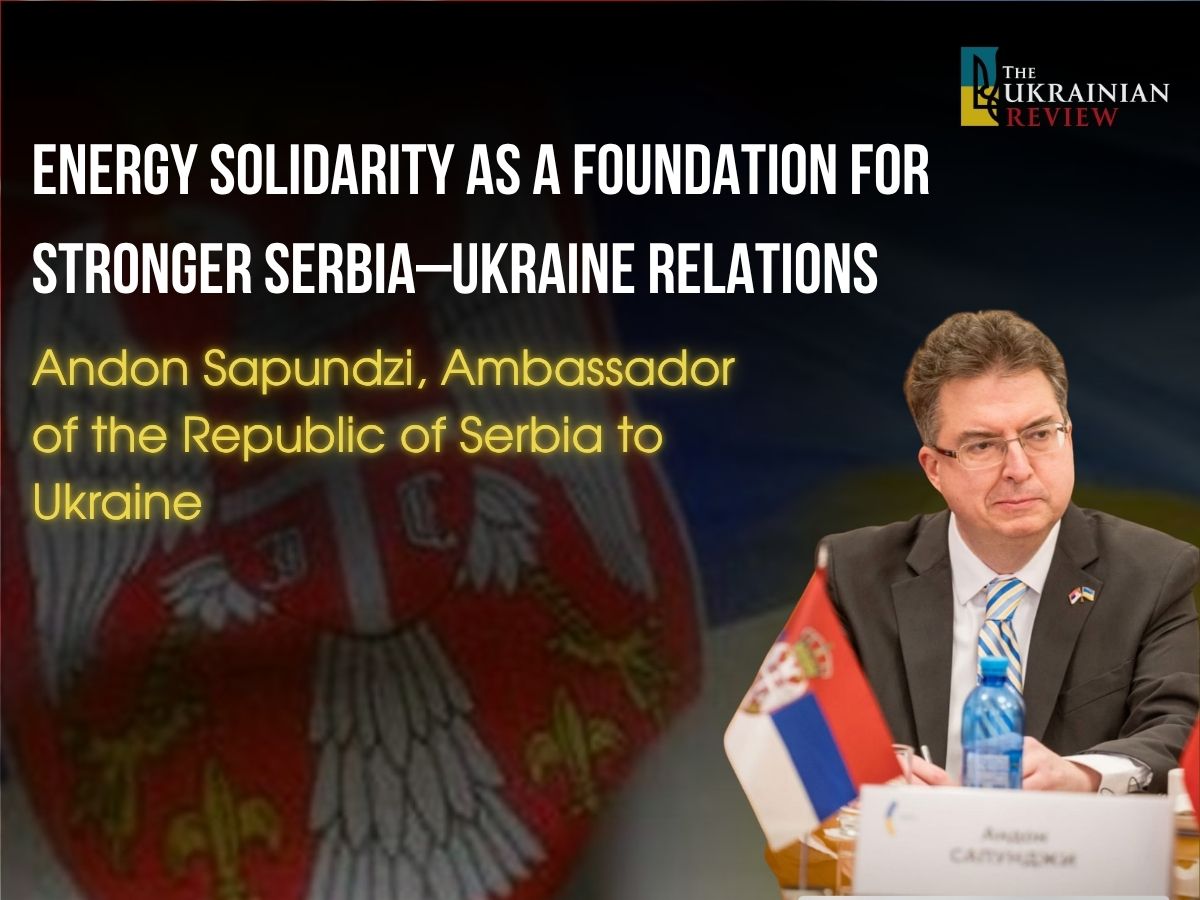
Andon Sapundzi, Ambassador of the Republic of Serbia to Ukraine