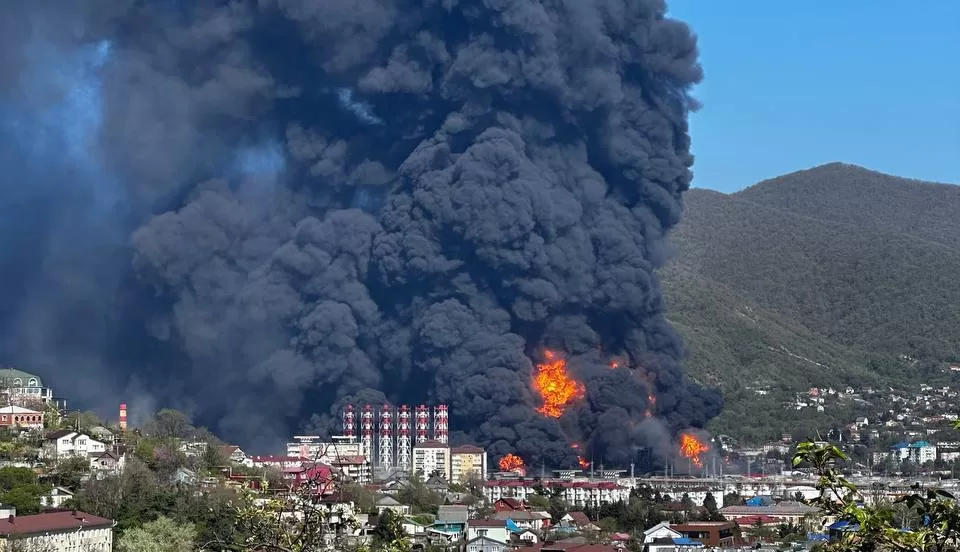


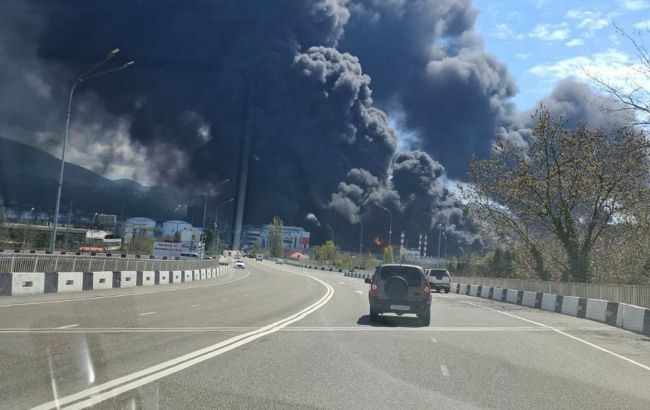
Ukrainian drones struck an oil refinery in Tuapse for the fourth time in two weeks overnight on May 1, sparking a fire and likely reducing the plant’s production capacity.
Spokesperson for Ukraine’s Unmanned Systems Forces Olha Meloshyna and USF commander Robert Brovdi reported the attack.
Fourth strike and falling refinery capacity
Meloshyna said the refinery’s capacity may have dropped significantly after a series of strikes, including the latest one. Before the attacks, the Tuapse refinery processed up to 12 million tonnes of oil per year. Repeated hits have already affected its operations, according to estimates.
Brovdi confirmed the latest strike and referred to it as “Tuapse 4.0,” highlighting the systematic nature of the attacks. Images circulating online show thick black smoke over the city, while local sources report a large fire and power outages.
Unofficial estimates suggest the fire may have engulfed storage tanks with a total volume of tens of thousands of cubic meters of oil. Reports also indicate damage to infrastructure, including pumping stations.
Ukraine’s Unmanned Systems Forces stressed that the strikes target only facilities linked to supporting the Russian military. Officials view oil refining as a key source of funding for the war, making such sites priority targets.
Context
The Tuapse refinery, owned by Rosneft, has come under attack at least four times in a short period – on April 16, 20, 28, and again on May 1. Previous strikes destroyed dozens of storage tanks and caused large fires that lasted for days and led to environmental damage.
Ukrainian military officials and analysts estimate that sustained attacks on Russia’s oil infrastructure could reduce refining capacity by 20–30%. They say the strikes also have a psychological effect by exposing vulnerabilities deep inside Russia.
Earlier, The Ukrainian Review reported that Ukrainian attacks on Russian oil infrastructure cut average refinery output to 4.69 million barrels per day – the lowest level since 2009.