

We have collected the latest news about Ukraine, covering key developments in the war and international support. The roundup includes important news about Ukraine, the war in Ukraine, sanctions against Russia, and assistance to Ukraine from the EU, NATO, and the UK. This digest contains the key events that took place over the past week in Ukraine and around the world.
EU to revisit new sanctions on Russia in January – Politico
EU countries are seeking to resume discussions on new anti-Russian sanctions in January. This is when Hungary, which is Moscow’s closest ally in the EU, will be forced to hand over control of political discussions as its presidency of the EU Council ends.
In January, the presidency will be taken over by Poland, one of Ukraine’s strongest supporters. Warsaw has already made it clear that it wants to use its six-month presidency to tighten control over Russian fuel flowing to the continent, which remains a critical source of revenue for the Kremlin.
Elections in Moldova: Sandu and Stoianoglo enter the second round
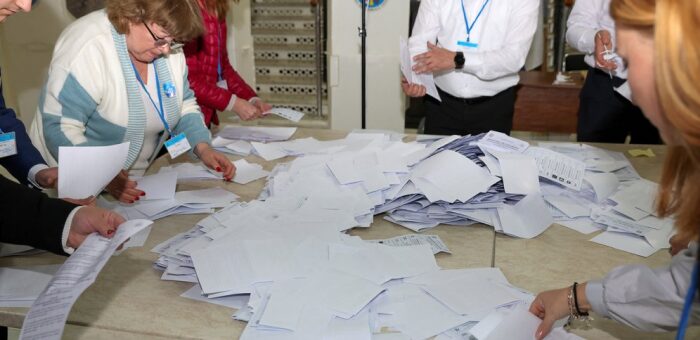
The Central Election Commission of Moldova has processed 100% of the ballots from the presidential election and referendum held on October 20.
Current President Maia Sandu and former Prosecutor General Alexandru Stoianoglo have advanced to the second round of the election. According to the results of the protocols, Sandu received 42.45% and Stoianoglo 25.98% of the vote. The second round of elections is scheduled for November 3.
Poland wants to get secret annexes to Ukraine’s victory plan – Foreign Ministry
Poland wants to see the secret annexes to Ukraine’s victory plan and will ask the Ukrainian side for it.
According to Deputy Foreign Minister Władysław Teofil Bartoszewski, Poland “should definitely have access to this type of documents”. He also noted that he sees no possibility of rebuilding Ukraine without Poland’s participation.
7 NATO members oppose Ukraine’s accession to the Alliance
At least 7 NATO member states oppose Ukraine’s accession to the Alliance. Germany and the United States are among the largest countries that are in no hurry to invite Ukraine to join the bloc.
We are also talking about Hungary and Slovakia, which are generally pro-Russian. Hungarian Prime Minister Viktor Orbán has called the victory plan, which includes a clause on Ukraine’s accession to NATO, “more than terrible”. And Slovak Prime Minister Robert Fico said in October that allowing Ukraine to join NATO “would be a good basis for World War III” and promised that he would “never agree” to it. German Chancellor Olaf Scholz also spoke about World War III.
At the BRICS summit, Russia has not yet secured international support – ISW
The adoption of the Kazan Declaration on October 23, the second day of the BRICS summit in Kazan, demonstrated that Russia has not yet secured international support and created the alternative security structure desired by the Kremlin.
In particular, as analysts at the US Institute for the Study of War noted, the Kazan Declaration mentioned Russia’s war in Ukraine only once.
Ukraine’s Ministry of Foreign Affairs reacted to the Kazan Declaration, saying that it shows that Russia failed to “export” its views on changing the world order and global security architecture to the BRICS summit countries.
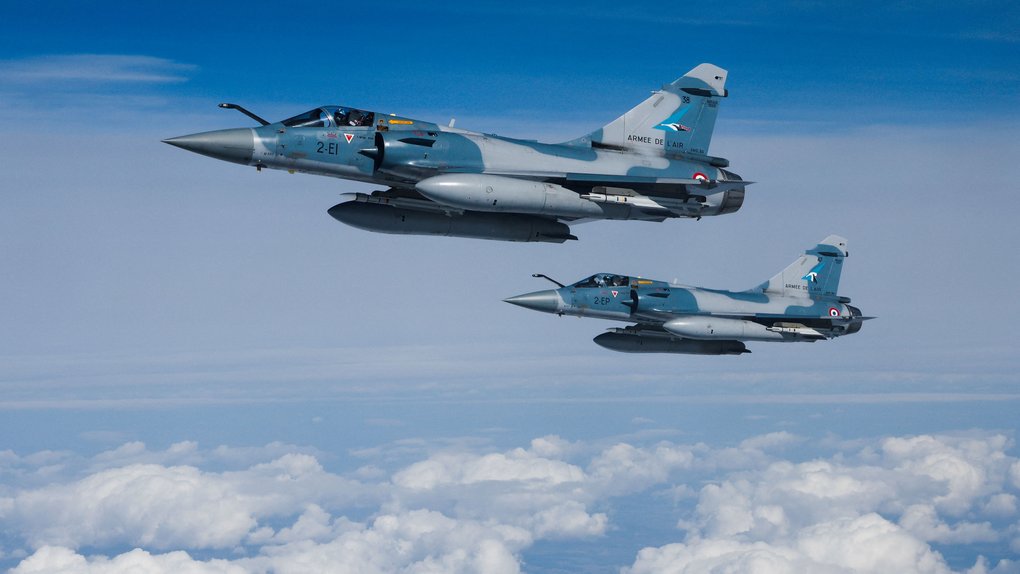
Ukraine to receive first 3 Mirage 2000-5 aircraft in early 2025 – La Tribune
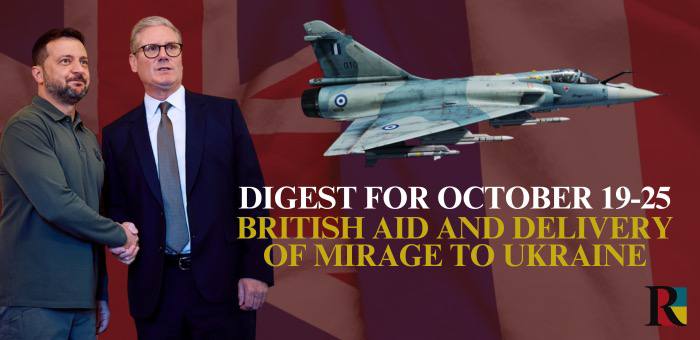
Early next year, France will supply Ukraine with the first batch of three Mirage 2000-5 combat aircraft. The fighters will be armed with Scalp missiles and AASM bombs.
G7 plans to keep Russian assets frozen after the war is over
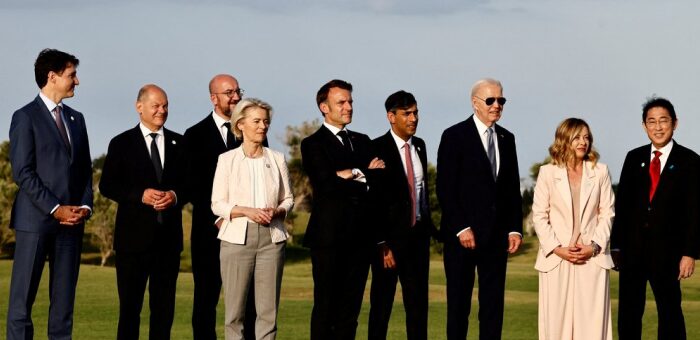
The Group of Seven (G7) countries plan to keep Russian assets frozen even after the war with Ukraine ends. According to Nikkei, the G7 leaders are planning to issue a statement on the matter this month.
We… reaffirm that Russia’s sovereign assets in our jurisdictions will remain frozen until Russia ends its aggression and pays for the damage it has caused to Ukraine, – reads the draft statement of the leaders prepared by this year’s G7 chairman, Italy.
UK to allocate $155 million for maritime coalition for Ukraine
The United Kingdom will allocate an additional £120 million (approximately $155 million) for a maritime coalition for Ukraine.
As noted, the new funding is being allocated against the backdrop of increased Russian attacks on Ukrainian port infrastructure in the Black Sea. The United Kingdom is also looking for partners to co-finance the supply of “hundreds” more maritime drones and surveillance radars to protect Ukraine’s grain corridor.