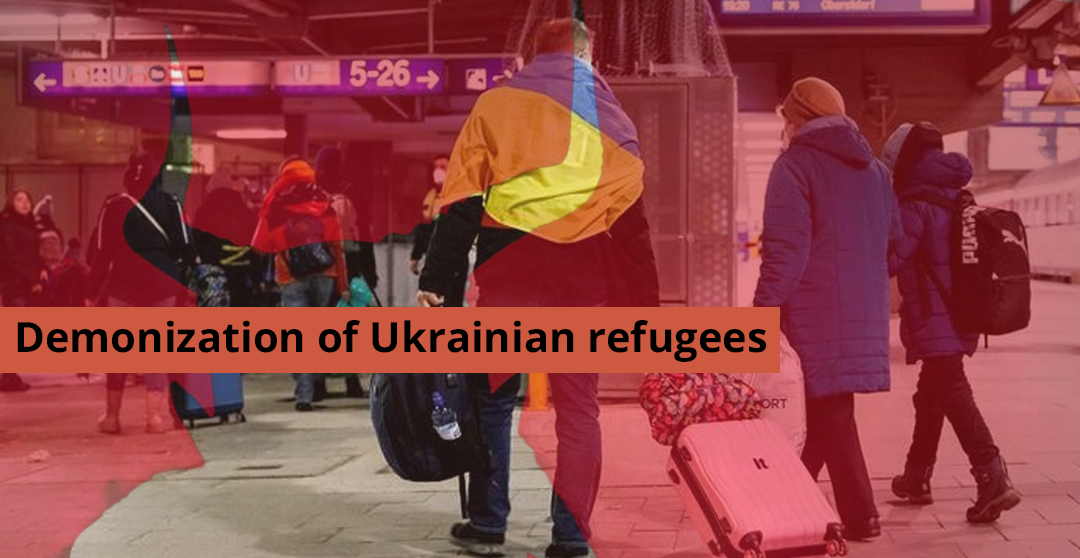


As of the end of June 2023, almost 4.07 million Ukrainians became refugees as a result of the full-scale Russian invasion.
The largest number of Ukrainians found shelter in Germany, Poland, the Czech Republic, Spain, and Bulgaria.
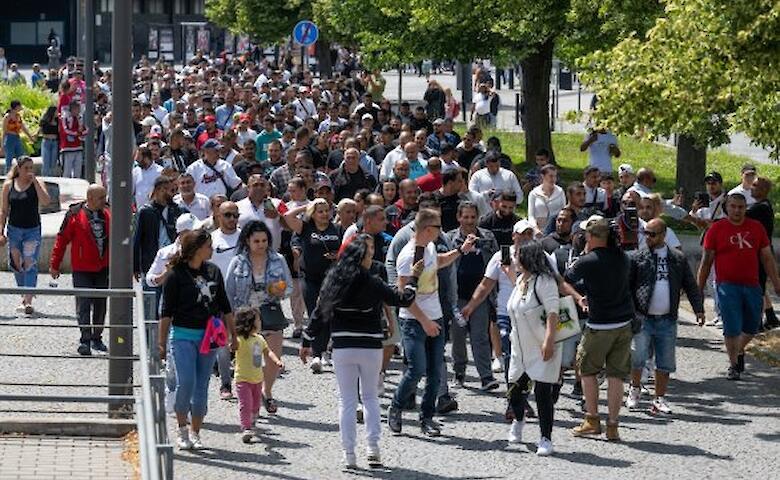
In July 2023, information appeared about the conflict between Roma and Ukrainians in the Czech Republic. According to the injured Roma, the fight was provoked by men from Ukraine. As a result, hundreds of Roma protested, demanding protection from Ukrainians. Czech police are investigating and have not yet charged anyone.
The Ukrainian Review investigated whether Ukrainian refugees really behave aggressively, whether these cases are isolated, or whether they are widespread fakes.
The situation between Roma and Ukrainians in the Czech Republic
The situation with the fight between a Roma and a Ukrainian was not the only one: during the summer, information also appeared about other conflict cases.
In particular, in June 2023 there was a conflict between tram passengers in the city of Brno, as a result of which a 23-year-old Roma man died. However, the police did not officially announce the nationality of the participants in the incident.
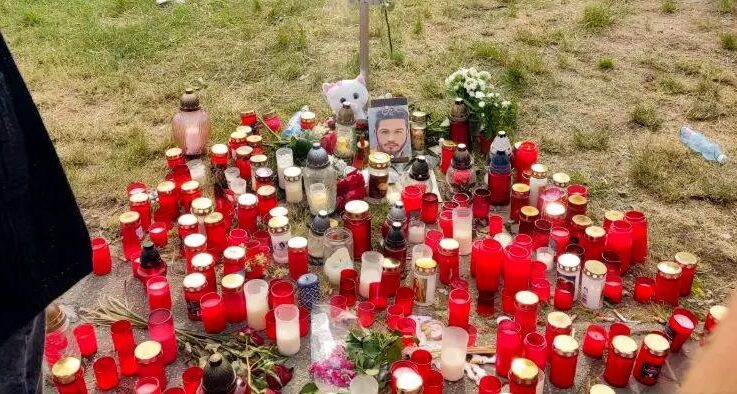
It is also known about a mass fight in Pardubice and a conflict between children.
However, as reported by Euronews journalists, in all situations the nationality of the participants in the conflict is not determined by the police, but by eyewitnesses, and the local mass media present this information as reliable. As a result, it provokes the Roma who do not trust the authorities.
Another reason for the spread of such protest sentiments among Roma in the Czech Republic is Russian disinformation and propaganda to which they are exposed.
It is also an interesting fact that the protest organised against the murder of a 23-year-old Roma was called by his pro-Russian activist Yakub Netik (who called on Putin to invade not only Ukraine but also Europe) and the controversial Roma extremist David Mezei (who spoke, for example, against vaccination). That is, the aggression of the Roma is deliberately incited.
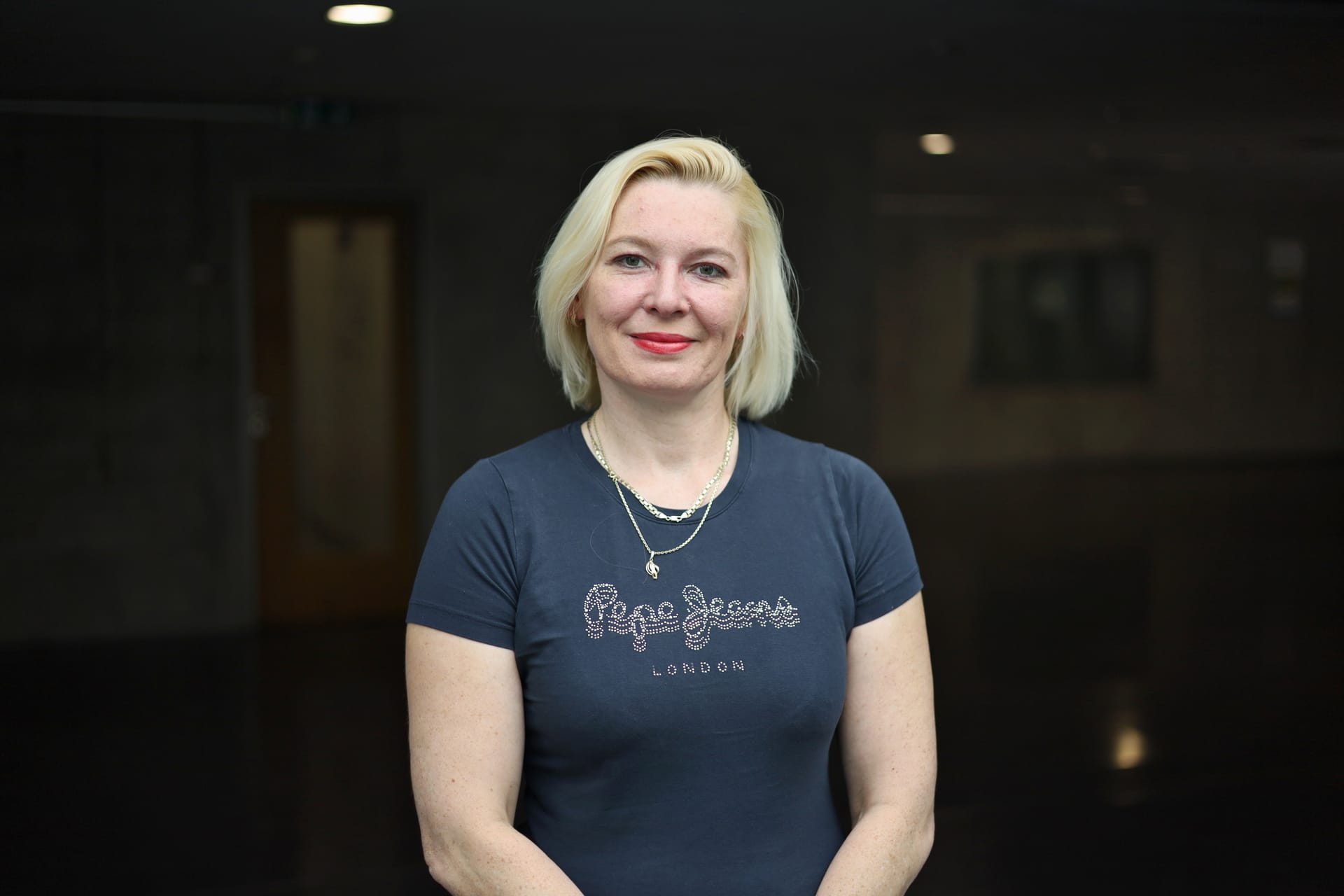
Barbora Vegrichtová, an expert on terrorism, extremism and radicalization at the Technical University of Prague, also notes the disinformation among the Roma:
“Disinformation and conspiracy theories are also the reason why now Roma people are more active in this way. It is also connected with digital literacy and information knowledge. Now we are observing that many Roma people, especially iconic persons and different authorities from the Roma community, are presenting their opinions online. But not only Roma people – this situation is also being misused by various extremist organisations and adherents and members of populist movements. Disinformation is also presented on pro-Russian online platforms and it could lead in some extreme cases to some violent incidents. There is a huge risk in this area”.
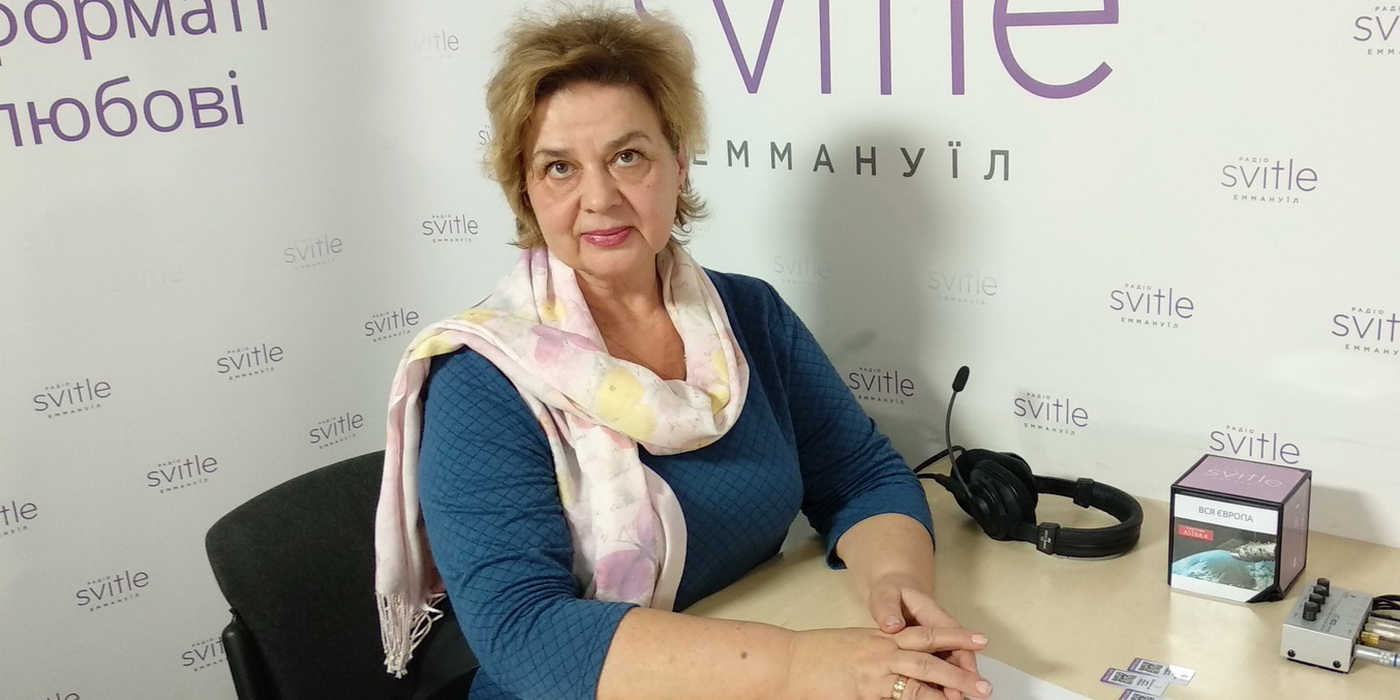
“As for the conflicts between Ukrainians and Roma, this is not a conflict on national, ethnic or religious-ethnic grounds. Most often, these are conflicts between certain people who disagreed about property interests, on the basis of household disagreements, etc. Kremlin propaganda works very powerfully and aggressively. Yes, it is profitable for them to show Ukrainians as conflictual persons. They stir up petty quarrels and interpret them as an argument in favor of the idea of “bad Ukrainians”. It is clear that most of our refugees are in a state of stress – war, bombing, they fled Ukraine with a minimum of things and clothes, often without money, necessary medicines, etc. Therefore, unfortunately, there are conflicts and, it seems, there will be,” — says Alla Boyko, a professor at Taras Shevchenko Kyiv National University.
What is the situation in other countries?
Ukrainian refugees are criticised the most in Poland.
In the summer, the Polish media Myśl Polska (social and political weekly, founded in 1941; has a print and web version with more than 180 000 visitors) spread information about Nazism among Ukrainians.
Fact-checkers of the VoxCheck project investigated this case and found that such theses are unfounded and do not have any evidence. Myśl Polska journalists also refer to pro-Russian media and steadily spread pro-Russian propaganda.
In August 2023, the Polish online news portal TVMN.PL (estimated visitors — 149 000) published information that Ukrainians beat Poles because they refused to say “Glory to Ukraine”.

However, the police investigated that there were no Ukrainians among the participants in the conflict.
This story was actively covered by the Russian mass media, Glavcom journalists report.
Recently, a pro-Russian channel on the social network X (formerly Twitter) turned Ukrainians against Poles: it shared a video on behalf of the DW publication that Poles organised an anti-Ukrainian flash mob and insulted Ukrainian refugees with Wi-Fi names. Poles seem to call the networks “Ukraine is hell”, “Murderers from Ukraine”, “Ukrainians, go home”.
DW journalists proved that this is not true.
Why are the Russians shaking up the situation with Ukrainian refugees?
“This is intentional propaganda, as it is aimed at achieving a single goal – to deprive Ukraine of Western support. This can be done only through propaganda, as they currently have no other means. There is no political, economic, or diplomatic influence in Russia, there is only an attempt to implement propaganda influence.
That is why they are trying to portray Ukrainians in the worst possible light in every possible way. In general, today the entire European Union is under such influence. In this way, Russia is trying to undermine trust in Ukraine itself, to undermine the balance in the European community, to promote anti-Ukrainian sentiments, in particular, regarding the leadership of countries that provide military aid to our country.
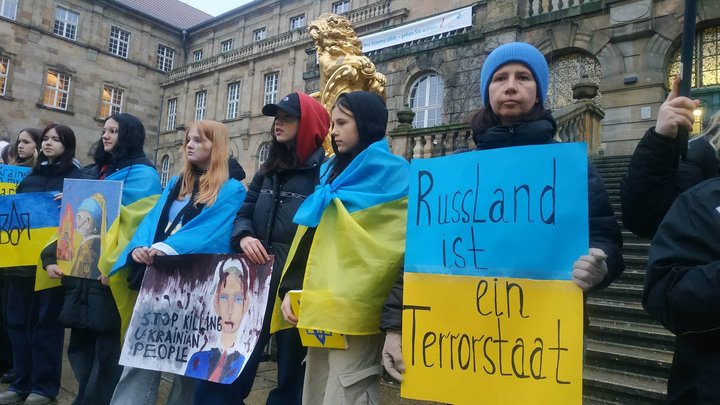
It is also worth noting that Russian propaganda for the foreign market is more thoughtful and cultural than aggressive and primitive for the domestic market. Russian propaganda for the west is more well-argued from the point of view of evidence, again, favourable to the terrorist country. They promote the idea that Russia is not to blame for the war, but the West, which provoked it into this war. And the more the West will help Ukraine, the longer the hostilities will last, up to the third world or nuclear war. That is, they are imposing the idea that the West should retreat, not help Ukraine, and then everything will be fine,” — commented the scientific fellow of the Kyiv Research Institute of Forensic Expertise on the condition of anonymity of the source for security reasons.
What can Ukraine do in this case?
Scientific fellow of the Kyiv Research Institute of Forensic Expertise states:
“In order to counteract all these moments, only the delivery of the truth to the world will help. It is necessary to spread true information about events in Ukraine. It is very important for Ukraine to conduct information policy at the state and international level, to implement anti-propaganda. It is difficult for us, because Russia still has a very developed propaganda industry, we have not met with such before, in Ukraine cultural and educational motives were more developed, but not anti-war propaganda. However, now we have encountered this in the very need to further increase the power of Ukrainian mass media in the European information space. Only in this way will we be able to fight back against Russian propaganda and persevere.”
***
There are a lot of Ukrainian refugees in Europe. Behaviours and situations may vary, but any conflicts and problems should be understood and not turned into a narrative about a general trend.
Anya Ostymchuk