

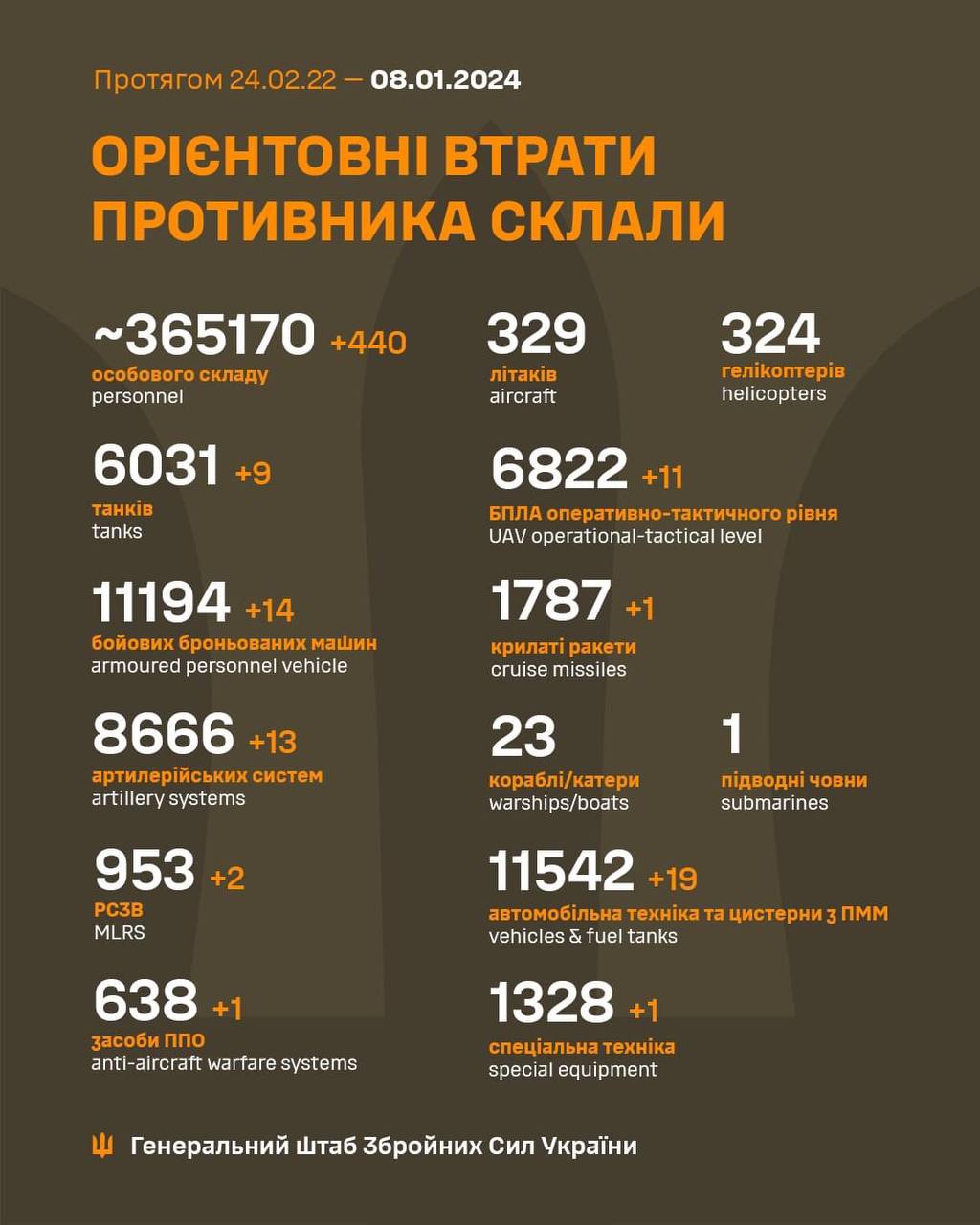
Last year seemed difficult for the Russian army of occupation, including due to numerous losses in equipment. According to the latest data from the General Staff of the Armed Forces of Ukraine, the Russian Federation lost on Ukrainian soil more than six thousand tanks, 329 aircraft, more than 11 thousand armoured vehicles, 324 helicopters, 8 653 artillery systems, 638 air defence systems, and even 23 ships/boats.
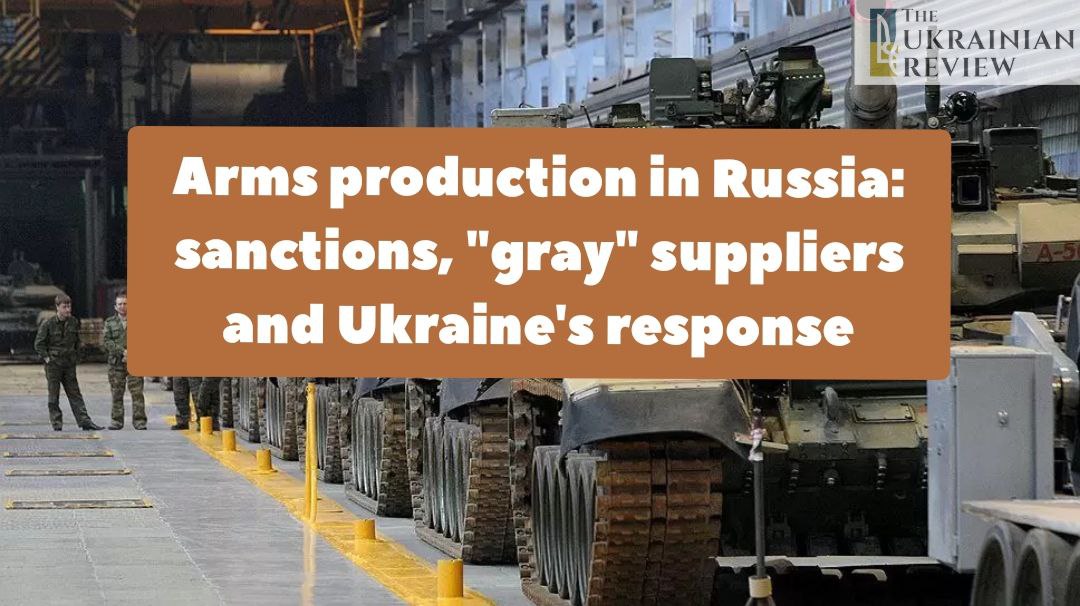
Also, the country is under serious sanctions. To what extent does this situation complicate the restoration and replenishment of units, and what exactly can Ukraine expect from Western aid in 2024? The Ukrainian Review prepared this material together with experts.
Not the only losses: production is also problematic
It is becoming more and more difficult for the Russians to replace the destroyed equipment. Sanction pressure and, in particular, the lack of Western and Ukrainian parts forces the military-industrial complex of Russia to reduce production. Recently, we saw the destruction of several fighters of the Russian Air Force in a row. In 2023, the Russian Air Forces received only 28 boards — much less than the planned bar. Four of them were military trainer jets, analysts of Defense Express, a consulting company from Ukraine, which has covered security and defence issues for two decades, believe on its information portal.
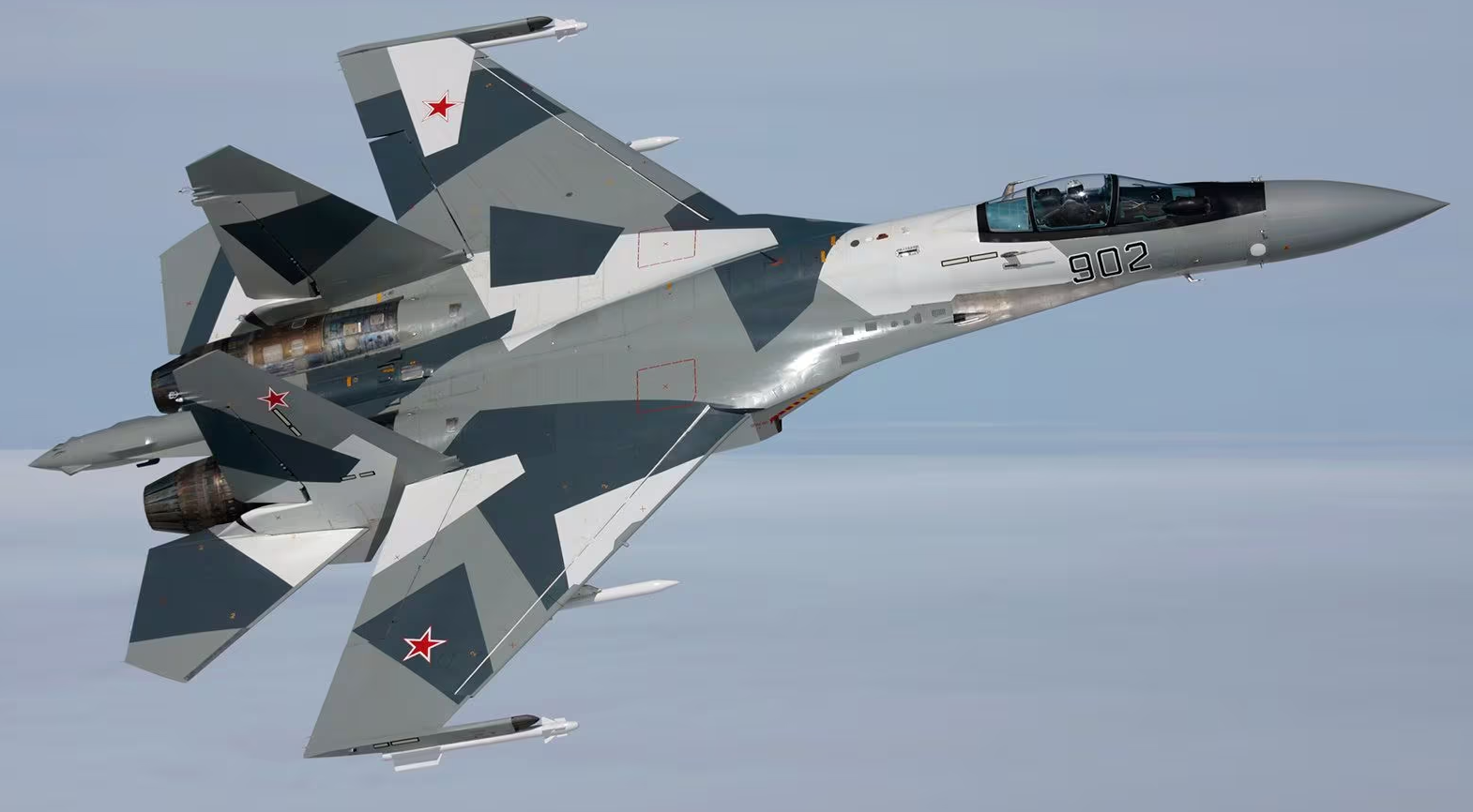
The most — ten pieces — made Su-35S generation 4++. It is a deeply modernised Su-27 aircraft with good manoeuvrability and high supersonic speed. The price of one such plane can reach more than $100 million. However, they have been shot down in Ukraine since 2022. The Su-34M and Su-57 made 10 fewer planes last year than in 2022 precisely because of the sanctions. It is worth noting that the Su-57 is still “fighting” with Ukraine from Russian airspace — Russian Air Forces are afraid of losing it under the fire of Ukrainian air defence. This aircraft is an important component of the Kremlin’s propaganda about the invincible “miracle weapon”.
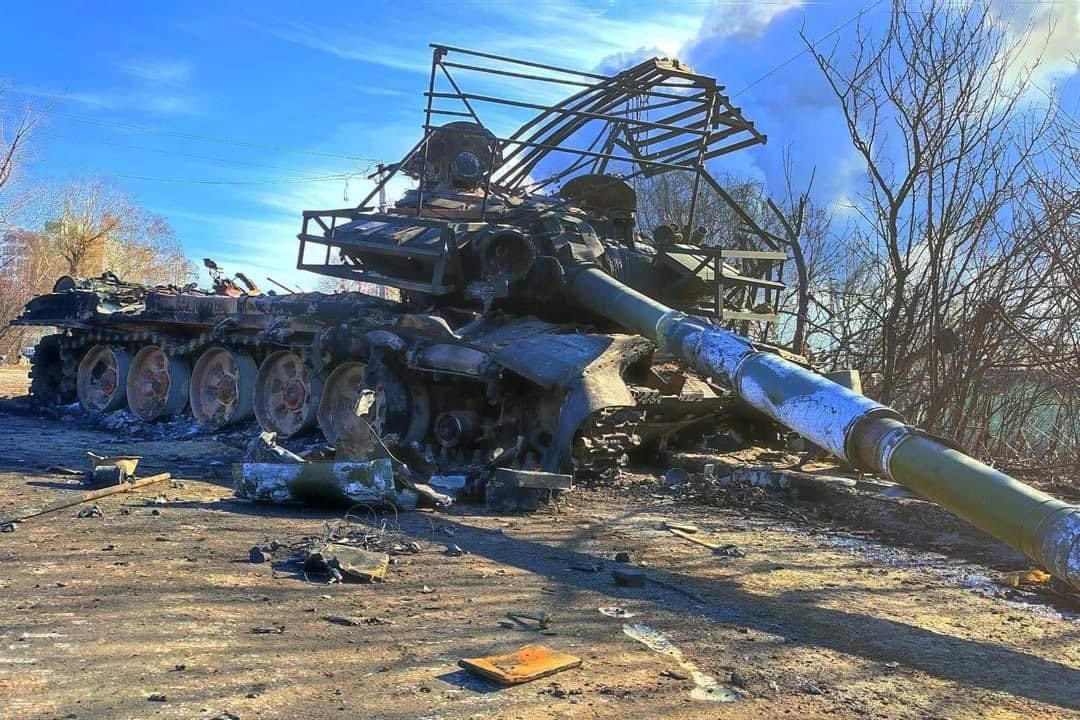
The Russian military-industrial complex is still showing signs of life, but it is already deep into its Soviet reserves. Russians de-conserved T-54 and T-55 tanks. Ukrainians destroy enemy equipment much faster than Russia can and are capable of building it. Therefore, they often resort to the so-called “cannibalism” there — they collect one conditionally working machine from several machines. Of course, no one can guarantee its quality. Currently, Russia mostly operates T-72/80/90 tanks, but the last such vehicles rolled off the assembly line back in 2011. And T-72 and T-80 in general in 1998.
The biggest problems are with high-tech products. In addition to the already mentioned aircraft, these are air defence vehicles and ships and submarines. Because that’s where the most sanctioned details are. Missiles are not the only thing that the military-industrial complex of the Russian Federation can currently produce at a constant level.
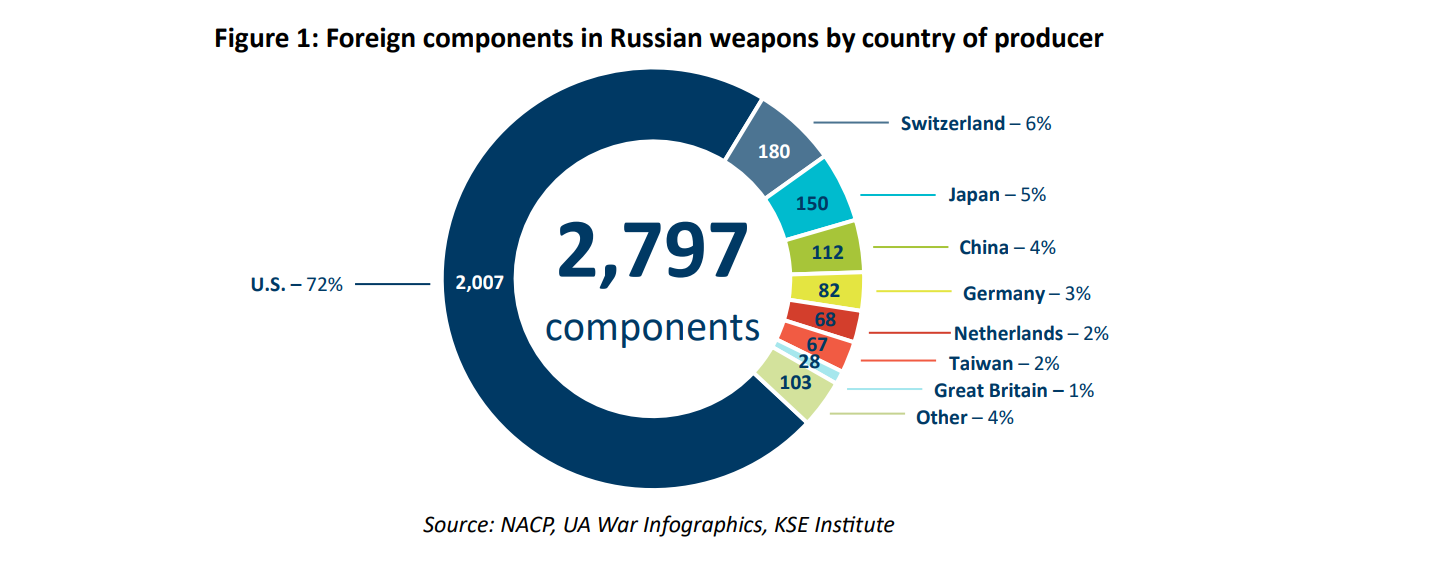
Of course, no sanctions will be able to completely cover the Russian military-industrial complex. There are always states like the DPRK, PRC, Iran, or Central Asia. The restrictions did not stop the sale to Russia of UAVs, spare parts, microprocessors and semiconductors ($2.5 billion in 2022). To circumvent sanctions, the Russian Federation purchased dual-purpose chips for $502 million from January 1 to September 1, 2023.
Among European countries, Germany, Finland, and the Netherlands sold the most such products for dollars. Even from Estonia, sales of components for $250,000 were registered. And although the Germans reduced the volume of trade with the Russians by 47%, at the same time they increased it with its neighbours (mostly in the Caucasus and Central Asia), from where the goods, which are not intended for the Russian Federation at all, can easily get to its factories. With the same Turkey, trade increased by 37% in 2022.
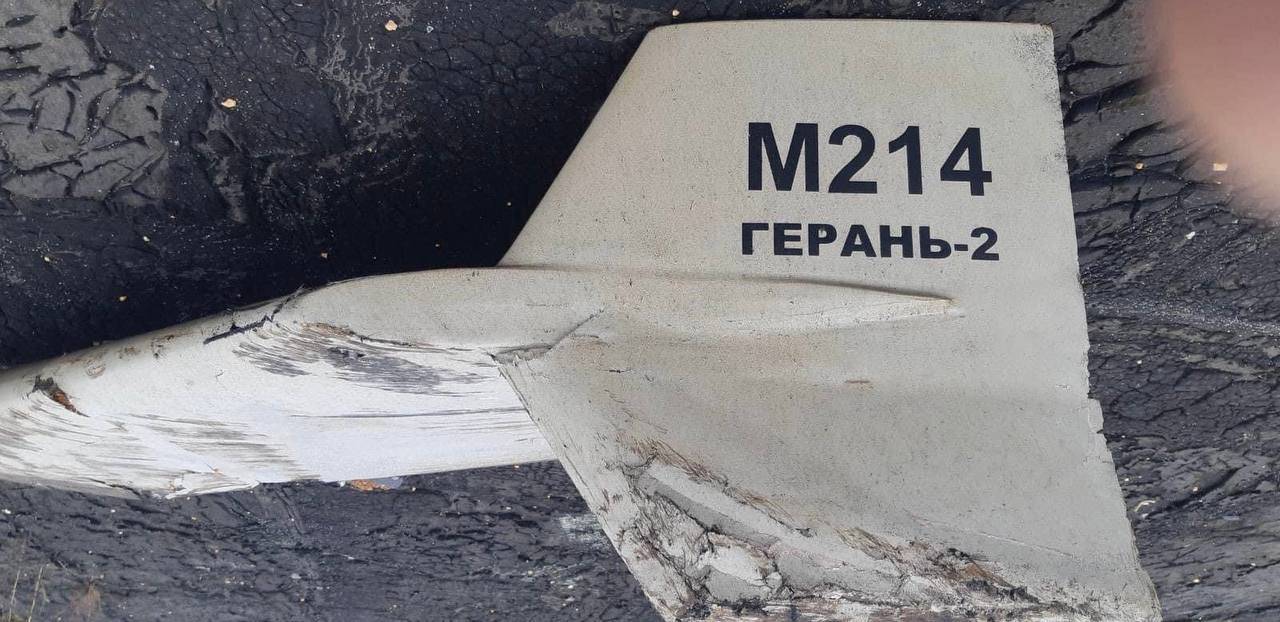
There is also Switzerland, through whose banks the Russians still buy parts for missiles and drones and import dual-purpose goods. Components produced by local companies were found in the Kalibr missiles, the Ka-52 helicopter, the Kh-101 missiles, and even in the Shaheds loitering munitions. Imports of even the latest technologies go through China, Hong Kong, the UAE, and Turkey. And sometimes, as in the case of the Italian company O.M.V., it sold the machines directly to Russians.
Factories, sanctions and export controls – is there an effect?
As for the Military Industry, as a rule, it is either sanctions against the factories themselves or a ban on the supply of certain goods that are necessary in the production of weapons — in other words, export control.

“The short answer to the question is that in the short term, sanctions do not affect the Russian military industry, in the long term, they have a negative effect,” — said Olena Yurchenko, senior analyst at TRUMAN and adviser to the Economic Security Council of Ukraine.
Do factories experience any obstacles from the imposed sanctions?
“No, it rarely happens that a military factory itself purchases something directly from foreign suppliers, or at all appears as a party to contracts. For this purpose, there are always large purchasing companies that serve either a group of factories or supply a specific type of product — for example, control and measuring equipment,” — she explained.
Until 2022, everything worked like this, even with the purchase of Western equipment. Now purchases are made through Turkey, the post-Soviet states, or directly from China. Russia purchases raw materials through intermediary firms in third countries.
It is much more difficult to punish them, but if it is proven that they contributed to the Russian industrial complex, especially the sanctioned one, then the companies are put on the sanctions lists. This forces Russia to look for new workarounds every time, rebuild supply chains, overpay for risks, change logistics, people, and so on. That is, transaction costs are growing significantly.
“From the perspective of an investigator, I can say that the growth of transaction costs is one of those key results that we achieve in the near term,” — emphasisedOlena Yurchenko.
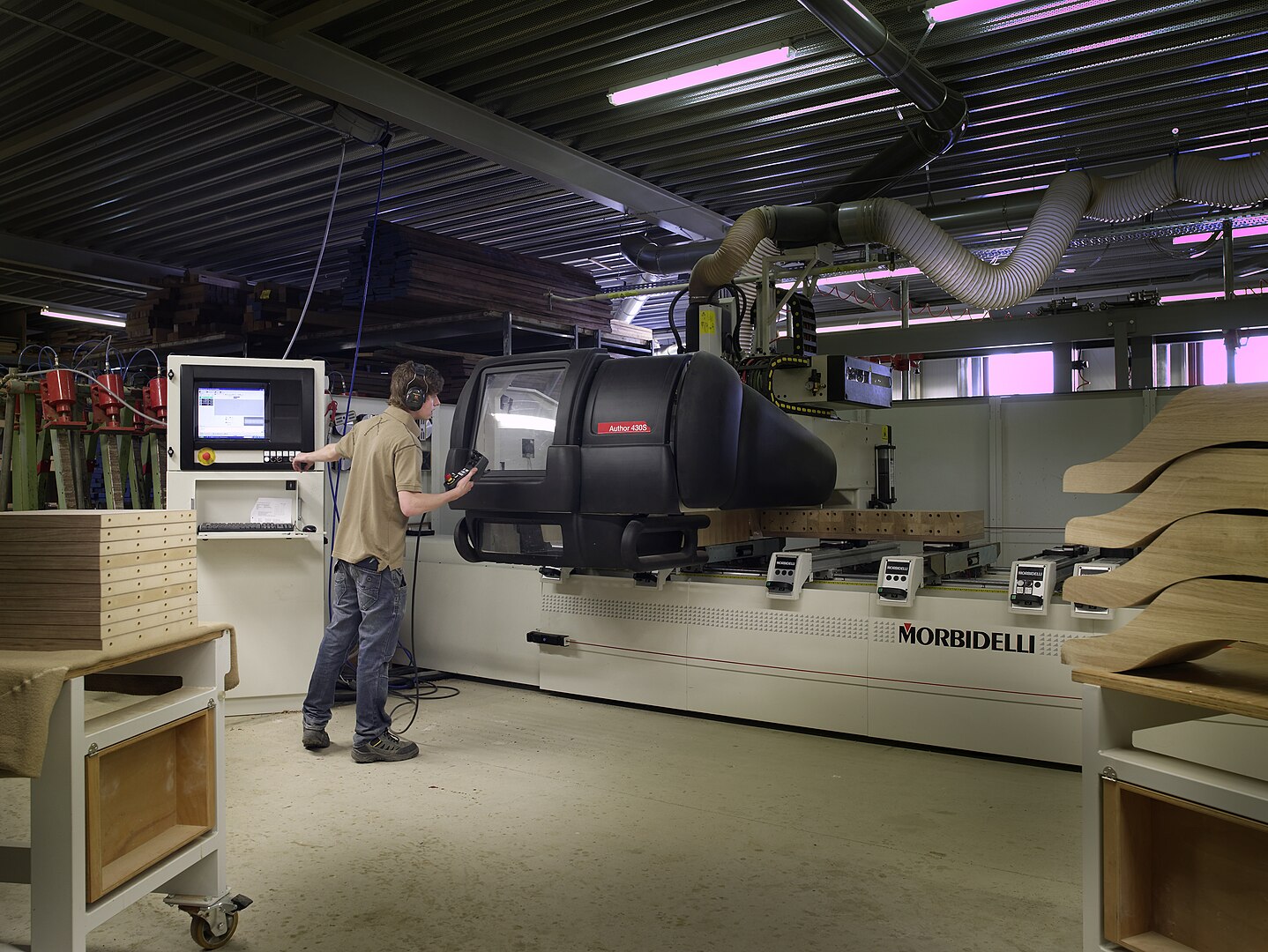
An interesting but little-known fact is that the Russian military industry is 70-80% dependent on the import of CNC machines. It is needed to automate processes and drive machines.
Such equipment, mainly metalworking, is needed for the production of components for almost all types of weapons. The main producers of this equipment are Germany, Japan, Switzerland, South Korea, and Taiwan.
For the exporter to be allowed to supply them, he must prove that the machine will not be used for military purposes, and obtain a licence. But there are some important exceptions to the rule:
- not all CNC machines are dual-purpose goods (they can be supplied freely);
- licensing fuses are relatively easy to bypass (underdraw the end user certificate, and technical parameters, and deliver the machine in disassembled form.
“Since 2014, after the first round of sanctions, nothing has changed — dual-purpose goods have been flowing into the Russian Federation in a wide river. After February 24, 2022, it was necessary to change the scheme and buy more expensively from neighbouring or neutral states friendly to the Russian Federation. This loophole was closed only in the 12th package of sanctions from the EU, banning the export of all CNC machines to the Russian Federation.
Does it feel like a win? No, because there is still Asia, Taiwan and South Korea, which produce and supply Russians directly. And the People’s Republic of China — their machines are inaccurate and of poor quality, but in the conditions of a shortage of labour force and excessive needs for replenishment of weapons reserves, they can also be purchased” — Olena Yurchenko emphasised.
“With microelectronics, the situation is even worse — the chips cannot be controlled, they are literally transported in backpacks. In addition, what the Russians use in missiles can often be bought freely on AliExpress, and these are far from the most technological things,” — she added.
Long-term decline
Now let’s talk about why the “long game” is a losing game for the Russians from the very beginning, because this is where the sanctions come into effect. Previously, the military industry of the Russian Federation was completely dependent on imports — spare parts, equipment, tools. Everything revolves around these robots and machines, and it is almost impossible to integrate some Chinese machine into it. How to repair without technical support and spare parts from the manufacturer. Especially if the intensity of exploitation will increase.
“And even if the military-industrial complex will gradually have to switch to Chinese machines, it will affect the quality of weapons, the speed and safety of the production process,” — said Olena Yurchenko.
Technological isolation due to sanctions throws the Russian Federation far beyond the boundaries of modern trends. This is a game in a very, very long cycle — in the hope that the Russian military-industrial complex will be so exhausted and backward that it will no longer gather any strength for a new aggression against Ukraine.
How and which Western weapons will help bring victory over the Russian army closer?
F-16, long-range missiles and defence penetration
Currently, one of the important topics in the information space of Ukraine is the expectation of receiving the first F-16 aircraft from Western partners. Ukrainian pilots have already started training. Combat use in Ukraine is possible in the spring of 2024. However, not only the Ukrainian authorities and the army are asking for them. Ukraine needs long-range Taurus and ATACMS missile systems, more means of defeating headquarters and echelon defence of the enemy.
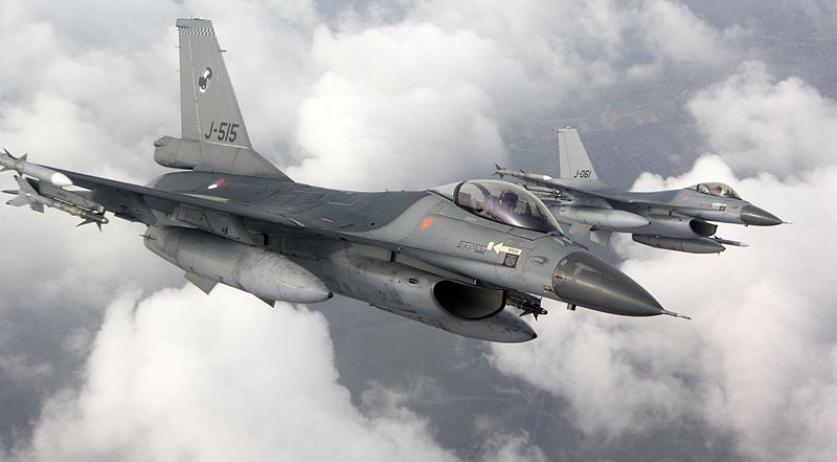
Without each of these elements, any future offensives will be less effective, because such operations require coherence and constant coordination of the actions of all units, including the latest weapons. So, what exactly will change in combat?

“F-16s in the sky of Ukraine will become a powerful factor that will give a tangible advantage to Ukrainian defenders not only in the air but also on the ground. But the absolute condition for their effectiveness is quick and effective integration into other Western combat systems that are already in service with the Armed Forces of Ukraine,” — Taras Zhovtenko, International Security/Defence Analyst at the Democratic Initiatives Foundation named after Ilko Kucheriv.
If the Ukrainian F-16s can seamlessly and promptly exchange information with the Ukrainian Patriot, NASAMS, IRIS-T, HIMARS systems and various ground units, as well as with the Ukrainian MiG-29, Su-24, Su-25 in the air, this will make it possible to demonstrate the effectiveness of the Ukrainian Air Force to the maximum.
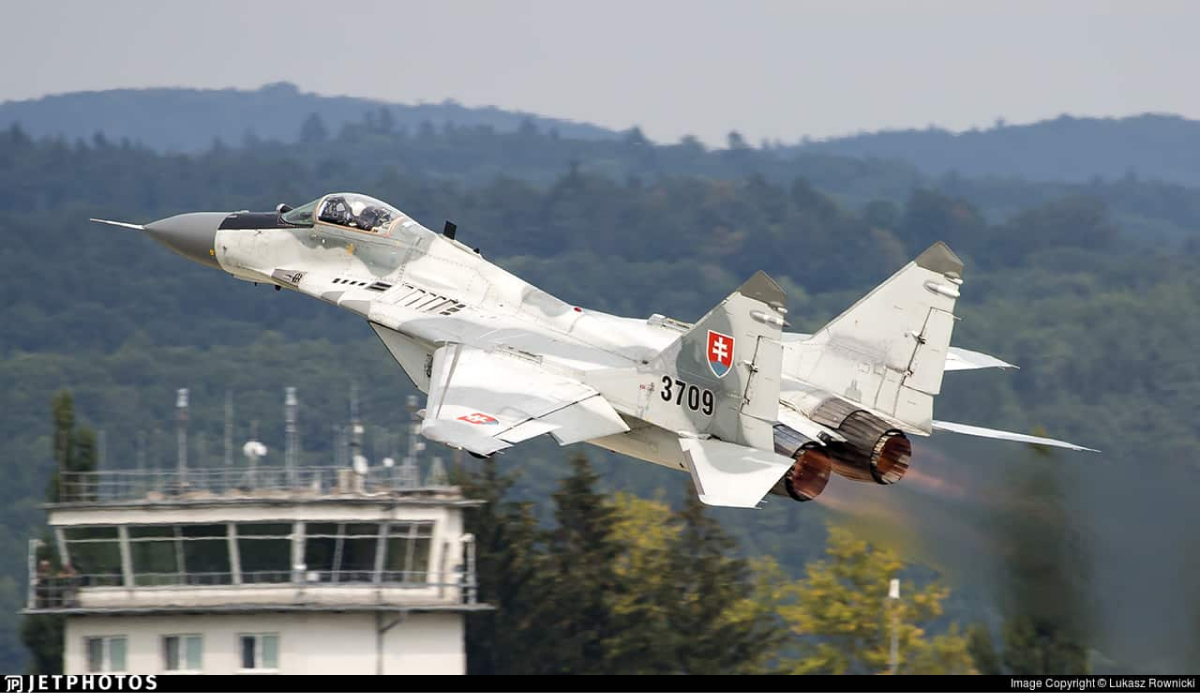
Modern airborne F-16 radars see faster and more accurately that they are not always able to fix radar stations of ground air defence systems and exchange data in real time.
Thus, the F-16 will be able to cover as quickly as possible those sectors where the capabilities of ground-based anti-aircraft missile or anti-aircraft artillery systems are limited, the analyst emphasised. That is, targets will potentially be shot down in areas with minimal risk to the lives of Ukrainian citizens. Even a minimum number of 6-8 F-16s can significantly affect the situation on a separate section of the front.
Is the F-16 a threat to Russian strategic bombers?
“For this, the Ukrainian F-16 will need the AGM-158 JASSM* cruise missile with a flight range of up to 400 and up to 1,000 km in the main modifications. This will make it possible to effectively overcome Russian air defence and strike at Russian strategic aviation at the airfields of the base,” — Taras Zhovtenko emphasised.
*AGM-158 JASSM is a large American-made high-precision air-to-surface cruise missile for hitting important and highly protected ground targets.
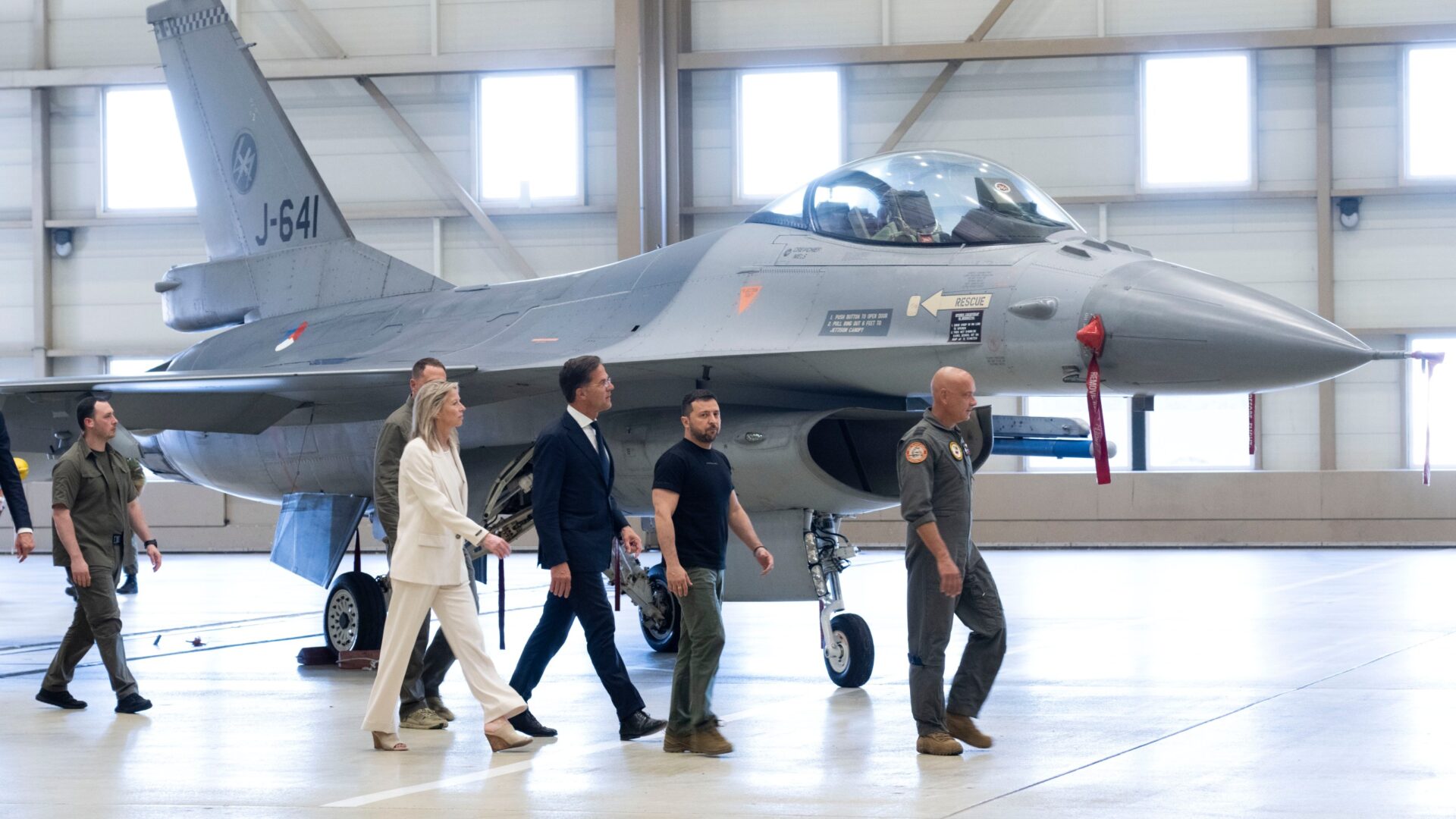
Thus, it is aircraft like the F-16 that can at least pose a real threat, and force the enemy to move their carriers, creating additional difficulties for their use against Ukraine. Moreover, the systematic and large-scale Russian terrorist attacks on civilian targets in Ukrainian cities are gradually forcing Ukraine’s partners to move from statements to concrete cases. And this is not only about the supply of air defence systems or missiles for them. It goes without saying at this stage.
“The most obvious option, voiced by many of our allies, is to provide Ukraine with similar range/power systems for attacks on Russian rear military infrastructure, which enables strikes on Ukrainian civilian targets in the deep rear,” — explained Taras Zhovtenko. And he added that if there is political will, the delivery of modern long-range systems to Ukraine is a matter of the near future. Further, everything will depend on the capabilities of the defence industry of our allies — and ours as well.
Having such systems, can we expect to finally break through the multi-echelon defence of Russia, in particular – in the south and in Crimea?
Taras Zhovtenko believes that the issue here is the number of already available means of attack (the same anti-radar missiles, Storm Shadow/SCALP cruise missiles), strike drones of various types and ranges. They, in combination with the F-16, will make it possible to gain at least an operational and tactical advantage in the air, to drive away the Russian front-line aircraft not only from the contact line, but to make it dangerous to base them in Crimea. Which will remove a lot of problems for ground units. More artillery will make it possible to wreak havoc behind Russian minefields and barricades. In such conditions, engineering equipment will more quickly and safely destroy obstacles on the way forward.
“The key to success is not some separate weapon system, but the complex use of various tools for a guaranteed result on the battlefield,” — Taras Zhovtenko summarised.
Anatoly Maksimov